
Last updated September 25, 2026
Non-destructive entry first, always - and we re-key Schlage, Kwikset, and Baldwin locks on the spot while you watch
You get a price before we start. It does not change when we arrive. No surprises.
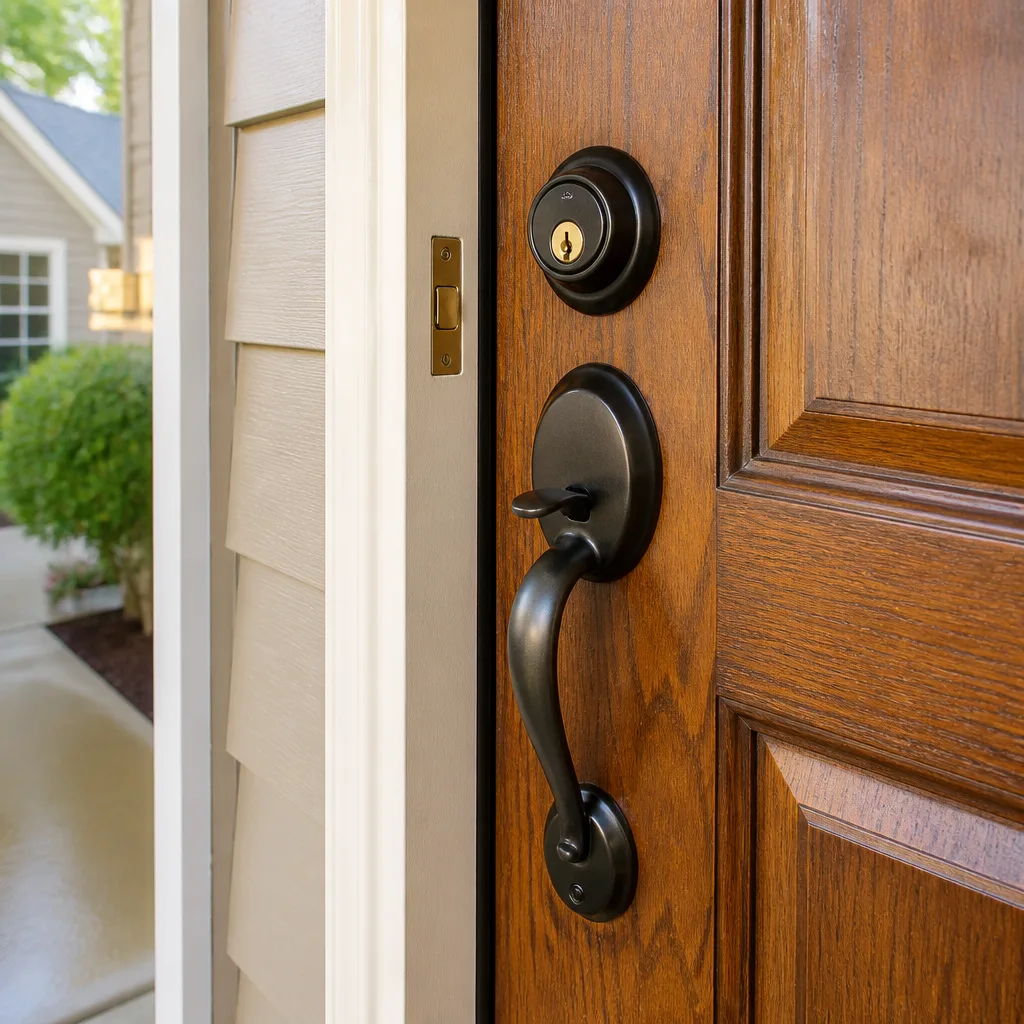
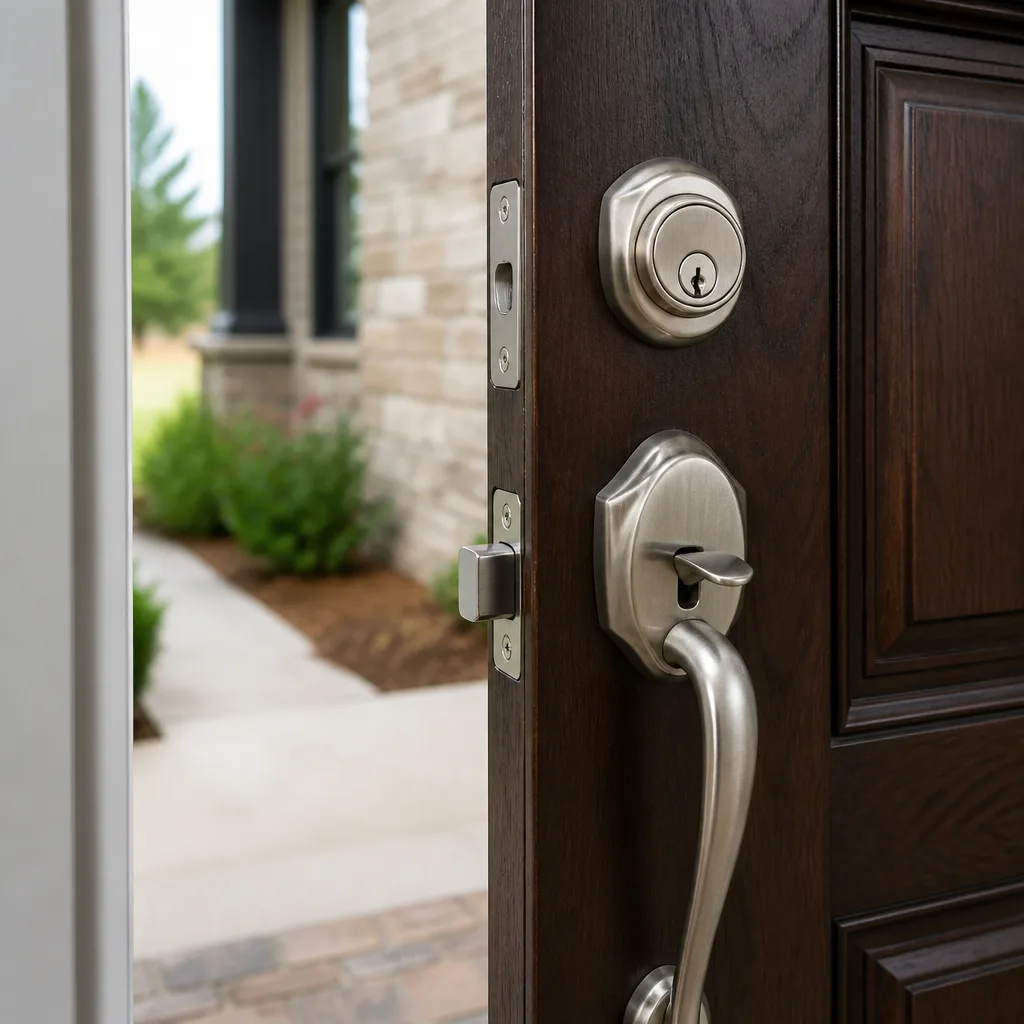
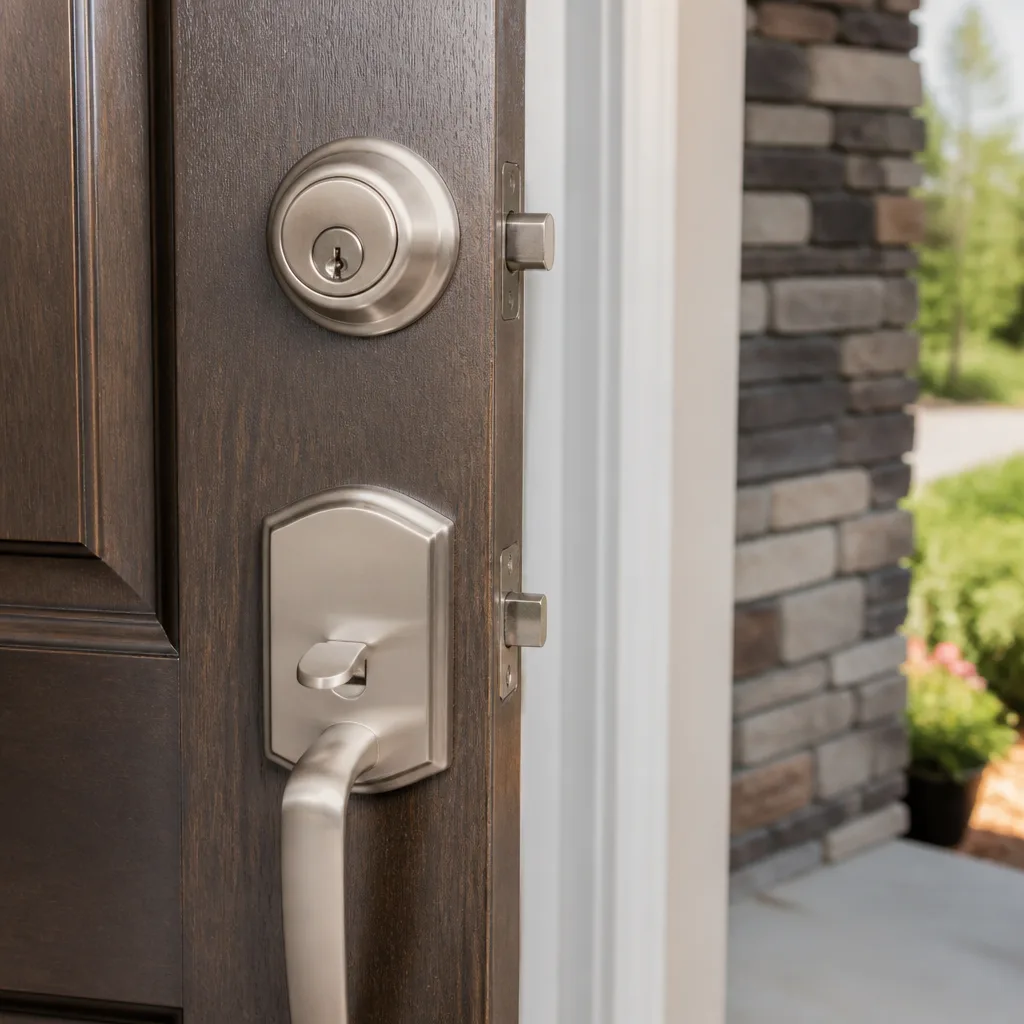
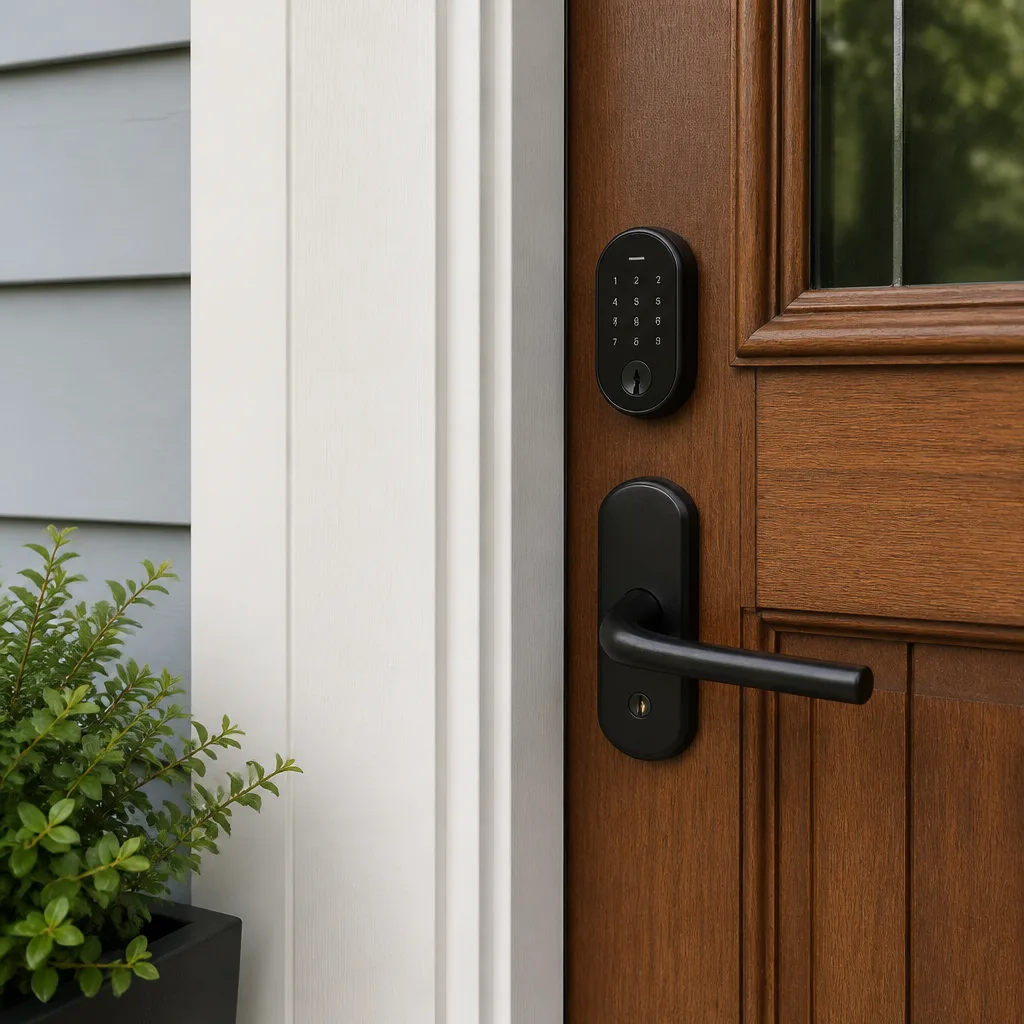
The Complete Guide to Locksmith in Long Beach
A 2022 California Bureau of Security and Investigative Services sting found that roughly 30% of locksmith call-outs in Southern California were handled by unlicensed technicians, often dispatched by national call centers with no local van, no verified technician, and no path to accountability. In Long Beach, where the port, the university district, and the Belmont Shore rental market each create distinct security demands, that gap between licensed and unlicensed work matters more than most residents realize. This guide maps what a locksmith is actually licensed to do in California, what each service category costs in the Long Beach market-see our Locksmith Cost Breakdown: The Long Beach Homeowner’s Reference for 2026 for detailed pricing-and how to read a job record so you know whether the work was done properly or merely done quickly.
Quick Answer
A licensed locksmith in Long Beach provides five categories of regulated service: emergency lockout assistance, lock rekeying, new hardware installation, high-security upgrades, and safe work. Legitimate pricing ranges from $85-$150 for a standard residential lockout to $400-$900 for commercial high-security cylinder upgrades, with every job requiring a BSIS-issued contractor license (number verifiable online) and a written price confirmed before dispatch. In Long Beach, Novak Lock & Security has operated under these requirements since 2002, with every job starting at a written quote and ending with a documented photo record. For help choosing the right professional, see our How to Hire a Locksmith Contractor in Long Beach: A Step-by-Step Guide.
Table of Contents
- What California Locksmith Licensing Actually Requires
- The Five Service Categories and Their Cost Floors
- How to Verify a License Before Anyone Touches Your Lock
- What a Proper Job Record Should Document
- Why a Long Beach Address on Google Means Less Than You Think
- The Single Phone Call Test That Exposes Bait-and-Switch
- Long Beach-Specific Security Considerations
- Choosing Hardware Grade for Your Property Type
What California Locksmith Licensing Actually Requires
California is one of 15 states that regulate locksmithing at the state level. The Bureau of Security and Investigative Services (BSIS) issues two relevant credentials: the Locksmith Company License and the individual Locksmith Employee Registration. A company cannot legally advertise or perform locksmith services without the company license. An individual cannot touch your lock without the employee registration, which includes a criminal background check through the California Department of Justice and the FBI.
The licensing requirements are specific and non-negotiable. A legitimate locksmith company must carry a $5,000 surety bond, maintain general liability insurance, and submit every employee to fingerprinting and background screening. The company license must be displayed in advertising and produced on request. There is no grandfather clause, no “pending” status that permits work, and no exemption for “locksmith technicians” who claim to work under another company’s umbrella without their own registration.
What the license does not cover is equally important. A locksmith license permits work on mechanical and electronic locking devices, key duplication, safe servicing, and access control installation. It does not permit electrical work beyond low-voltage door hardware, it does not permit alarm system installation (that requires a C-10 electrical contractor license), and it does not permit general security guard services without a separate PPO license. When a Long Beach resident calls for help with a smart lock that fails to integrate with a home automation hub, the locksmith can service the lock mechanism but cannot legally rewire the low-voltage integration if it extends beyond the door hardware itself. Unsure whether to tackle issues yourself or call a pro? Read our DIY vs Professional Locksmith: The Long Beach Homeowner’s Decision Guide.
We’ve encountered this boundary repeatedly in the Alamitos Beach and Bluff Heights areas, where 1920s bungalows have been retrofitted with Nest and August smart locks. The lock cylinder is our domain. The Wi-Fi bridge configuration is not. A technician who blurs that line is either unlicensed for the electrical portion or unaware of the regulatory boundary, and either case should concern the homeowner.
Key licensing facts to verify:
- Company license number format: LCO followed by digits, verifiable at bsis.ca.gov
- Individual registration: must be carried on-person and produced on request
- Bond and insurance: ask for certificate of insurance naming your property address
- No license = no legal recourse through BSIS if damage occurs
The Five Service Categories and Their Cost Floors
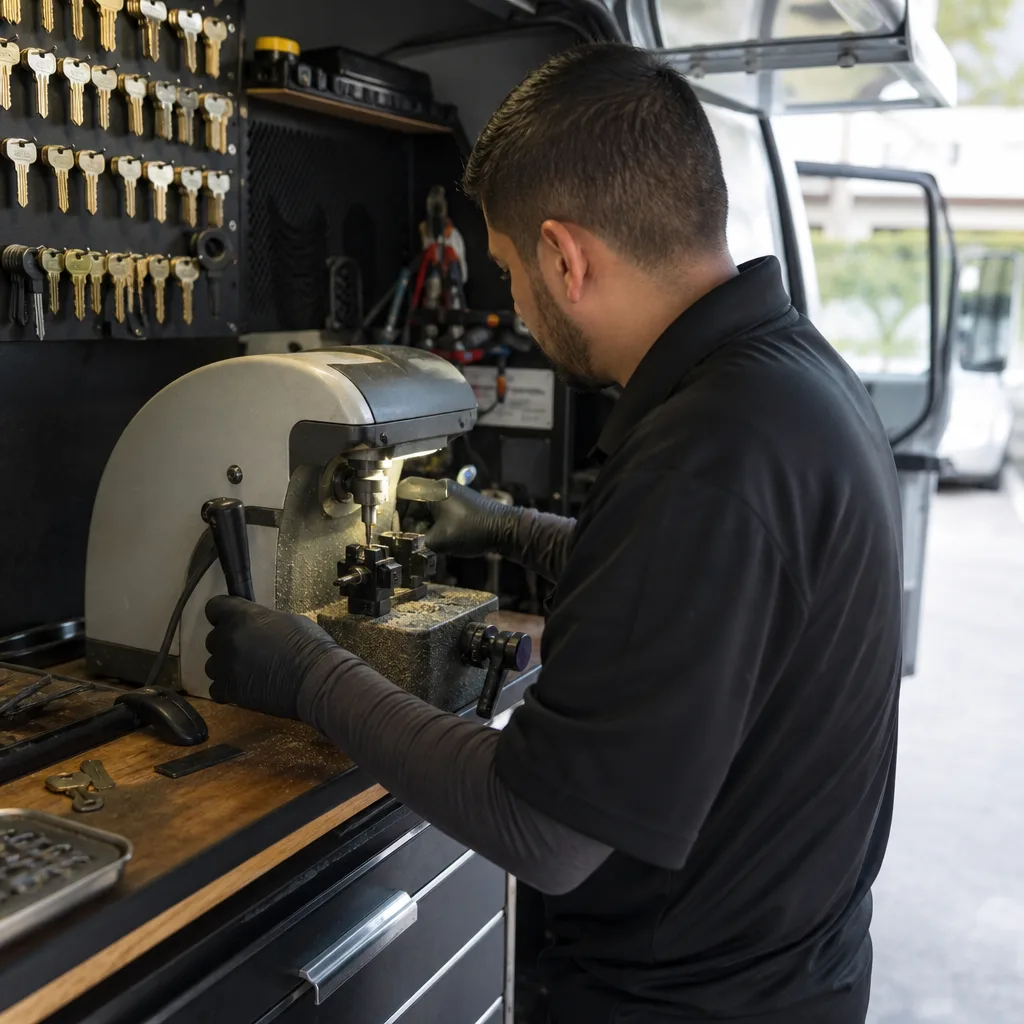
Every locksmith job in Long Beach falls into one of five categories, and each has a different cost structure, different time requirements, and different documentation standards. Understanding these categories protects you from the most common bait-and-switch tactic: quoting a lockout price, then charging rekey rates once on site.
1. Emergency Lockout Assistance
This is what most people picture when they think “locksmith.” A technician arrives, verifies ownership or tenancy, and opens the lock without damaging the door or hardware. In Long Beach, standard residential lockout service typically runs $85-$150 during business hours and $120-$200 after hours, with the variance driven by distance from the technician’s starting point and the complexity of the lock. A simple Kwikset deadbolt on a Belmont Shore apartment takes ten minutes. A high-security Mul-T-Lock on a Bixby Knolls home may take 30 minutes and require specialized picks.
The cost floor matters here. Any quote below $75 for a Long Beach lockout should trigger suspicion. The technician’s fuel, insurance, bond, background check, and uniformed dispatch each carry real cost. A $29 “service call” is mathematically impossible without upselling, and the upsell typically happens at the door when you’re vulnerable and time-pressured.
2. Lock Rekeying
Rekeying changes the internal pin configuration of an existing lock so old keys no longer operate it. The hardware stays in place; only the keyway is altered. This is the most cost-effective security change for new homeowners, property managers between tenants, and anyone who has lost track of key copies.
In Long Beach, rekeying typically runs $19-$35 per cylinder for standard residential locks, with a service call fee of $65-$95. A typical three-bedroom home with two exterior doors (front and side, each with a deadbolt and knob set) has four cylinders and costs $140-$220 total, quoted in writing before we start. Commercial rekeying runs higher due to master key systems and the need for key control documentation.
Rekeying requires less labor than new installation but demands precision. A mis-pinned cylinder will accept the new key and the old key, or neither key, or will jam after ten uses. The job record should note the original keyway brand, the new pin sequence, and the number of keys cut.
3. New Hardware Installation
This category covers replacing existing locks with new units, installing locks on doors that have never had them, and upgrading from knob sets to deadbolts. Installation pricing depends on door condition, material (solid wood, hollow core, metal, fiberglass), and whether new prep work is needed.
Standard residential deadbolt installation in Long Beach: $120-$200 per door if the door is already prepped with a 2-1/8″ bore and 1″ crossbore. Unprepped doors add $40-$80 for drilling and chiseling. Commercial-grade mortise lock installation runs $300-$600 per door due to the precision required for the pocket cut and face plate mortise.
We see the most installation errors in the California Heights and Wrigley neighborhoods, where 1940s and 1950s doors have been painted so many times that the original prep dimensions are obscured. A technician who doesn’t measure the actual door thickness and backset before ordering hardware will install a lock that binds, misaligns, or fails to latch properly.
4. High-Security Upgrade
High-security cylinders use restricted keyways, hardened drill-resistant inserts, and pick-resistant pin configurations. Brands we install and service include Mul-T-Lock and Abloy, with Baldwin and Sargent hardware for the surrounding trim and mechanism. These are not marketing terms; they are specific mechanical standards (UL 437, ANSI/BHMA Grade 1) that independent labs verify.
A residential high-security deadbolt upgrade in Long Beach typically runs $280-$450 per door, including the cylinder, hardware, installation, and key registration. Commercial high-security installations with master key systems run $400-$900 per cylinder, with the variance driven by the complexity of the key hierarchy and the need for factory-authorized key duplication control.
The critical documentation for high-security work: the key registration card, the factory warranty certificate, and the key control log showing who holds which key and what authorization is required for duplicates. Without these documents, you do not own a high-security system; you own expensive hardware with no security benefit.
5. Safe Work
Safe servicing includes combination changes, lock replacements, bolt work repair, and opening when the combination is lost or the mechanism fails. This is the most specialized category and the one most commonly attempted by unqualified operators.
In Long Beach, safe opening runs $150-$400 for mechanical dial locks and $200-$600 for electronic locks, depending on the safe’s security rating and the opening method required. Drilling is a last resort and always damages the lock; a competent technician will attempt manipulation or scope reading first on high-value safes. Combination changes run $85-$150. Lock replacement on a gun safe or jewelry safe runs $200-$450 including the new lock mechanism.
Safe work carries the highest liability exposure. A drilled safe with a damaged heat seal may no longer provide fire protection. A technician who doesn’t document the safe’s UL rating and the opening method used leaves the owner with no proof of continued protection for insurance purposes.
Long Beach pricing summary by category:
| Service Category | Typical Range | What Drives Variance |
|---|---|---|
| Emergency lockout (residential) | $85-$200 | Hour, distance, lock grade |
| Rekeying (per cylinder) | $19-$35 + service call | Number of cylinders, keyway type |
| New deadbolt installation | $120-$200 | Door prep condition, hardware grade |
| High-security upgrade | $280-$900 | Brand, master key complexity |
| Safe opening | $150-$600 | Lock type, security rating, method |
How to Verify a License Before Anyone Touches Your Lock
License verification takes 90 seconds and should happen before you provide an address or credit card. The BSIS online verification tool at bsis.ca.gov requires only the company name or license number. A legitimate operation provides this information without hesitation. An operation that deflects, provides a “business license” number (which is not a locksmith license), or claims the technician carries the license personally is signaling a problem.
- Ask for the company license number. The format is LCO-#####. Write it down while on the phone.
- Verify at bsis.ca.gov. The search tool confirms active status, bond amount, and workers’ compensation coverage. Note the expiration date.
- Ask for the technician’s registration number. Individual registrations start with LOC-#####. The technician must produce this on arrival.
- Request a certificate of insurance. General liability should be at least $1 million. The certificate should name Novak Lock & Security or the company you’re hiring, not a different entity.
- Confirm the business name matches. If you called “Long Beach Speedy Locksmith” but the license reads “ABC Security Solutions LLC,” ask why. National aggregators often operate under dozens of DBA names with a single license, or no license at all.
In our experience, the technicians who arrive without verifiable credentials are also the technicians who damage doors, overcharge, and disappear when problems arise. The 90 seconds of verification is the cheapest insurance you will ever purchase.
What a Proper Job Record Should Document
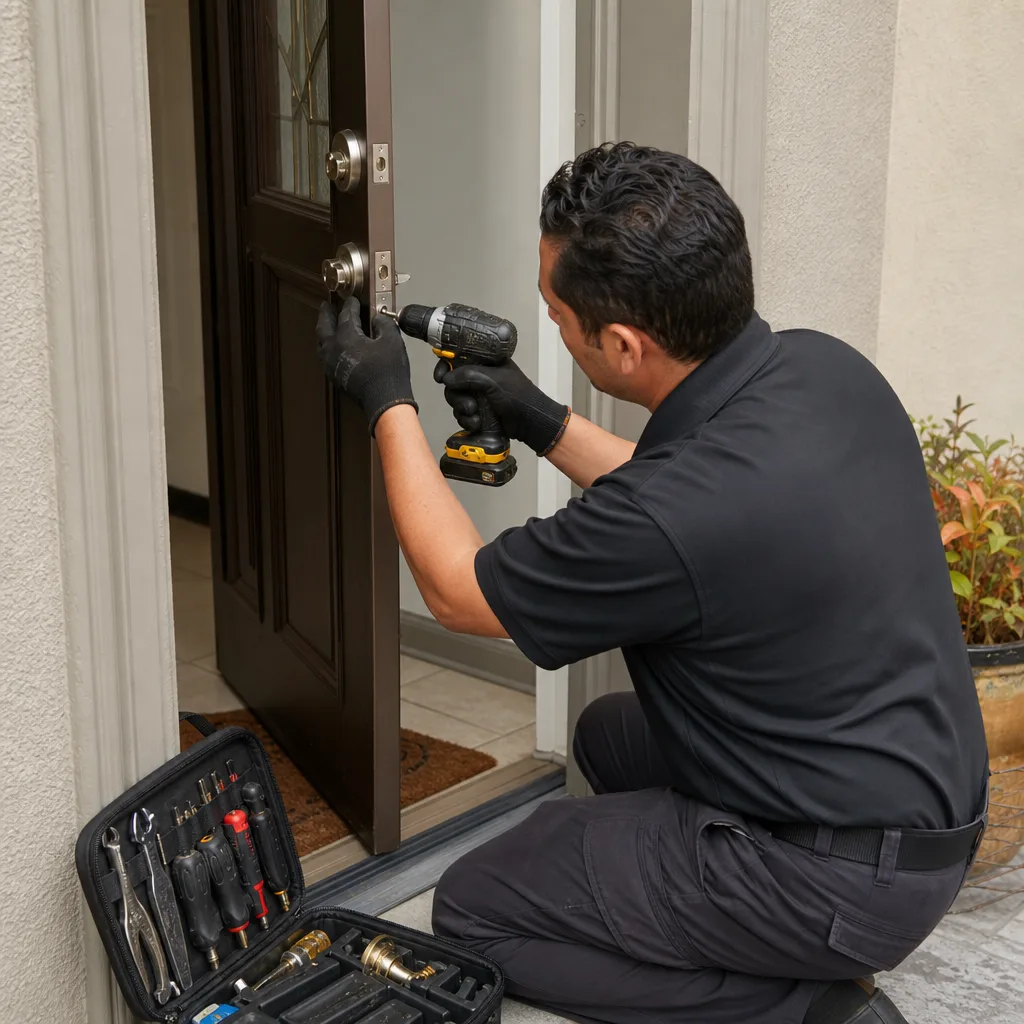
A locksmith job is only as good as its documentation. Without a written record, you have no warranty claim, no insurance documentation, and no proof of what was actually installed. The Haven Standard requires specific documentation on every visit, and customers should expect nothing less from any locksmith they hire.
The minimum documentation standard:
- Hardware brand and model: “Schlage B60N Grade 1 deadbolt, single cylinder, satin nickel finish” - not “new deadbolt installed.”
- Keyway specification: The keyway code (SC1, KW1, MTL600, etc.) determines which blanks can duplicate the key. A restricted keyway should be noted with its registration number.
- Cylinder condition before and after: “Existing cylinder: worn pins, no security pins, accepts bump key. Replaced with: six-pin configuration with spool and serrated drivers.” This is how you know whether a real upgrade occurred or a standard rekey was sold as security enhancement.
- Exact labor performed: “Rekeyed to new bitting 3-5-2-1-4-6. Cut two keys. Tested 20 cycles. Lubricated bolt work.” Not “serviced lock.”
- Photo record: Timestamped images of the installed hardware, the door condition before and after, and any unusual findings. We leave a documented photo record with every customer as standard procedure, not as an upgrade.
- Written price and invoice match: Haven Standard Clause 1: the price quoted on the phone is the price on the invoice. No exceptions, no “parts additional,” no “it took longer than expected.”
We’ve reviewed competitor invoices for Novak Lock & Security Long Beach home customers who requested our free second opinion service. The most common documentation failure: no hardware model listed, no keyway noted, and a vague “labor” line item that could mean anything from five minutes to five hours. That opacity serves the seller, not the buyer.
Why a Long Beach Address on Google Means Less Than You Think
Google Business Profiles display addresses, but they do not verify whether that address is a dispatch center, a mailbox in a strip mall, or a legitimate shop with inventory and trained staff. National locksmith aggregators have become skilled at creating location-specific listings that appear local but route calls to centralized call centers in other states.
The telltale signs: a suite number with no visible storefront, a “service area” listing with no physical address shown, reviews that mention technicians arriving in unmarked vehicles or with out-of-state phone numbers, and a dispatcher who cannot name Long Beach neighborhoods or describe local traffic patterns from the port to the 405.
A genuine Long Beach locksmith can describe the difference between a Belmont Shore cottage lock and a Downtown Long Beach loft entry system without checking notes. They know that the marine air near the harbor accelerates corrosion on exterior hardware, that the Art Deco buildings on Ocean Boulevard often have original mortise locks with non-standard backsets, and that the Wrigley area’s 1940s tract homes frequently have doors that have settled out of plumb, causing latching problems that no new lock will fix without shimming or strike adjustment.
When you call, ask: “Where are you dispatching from right now?” If the answer is vague or references a “network of technicians,” you are not speaking to a local locksmith. You are speaking to a lead aggregator that sells your call to the lowest bidder, who may be unlicensed, uninsured, and unaccountable.
The Single Phone Call Test That Exposes Bait-and-Switch
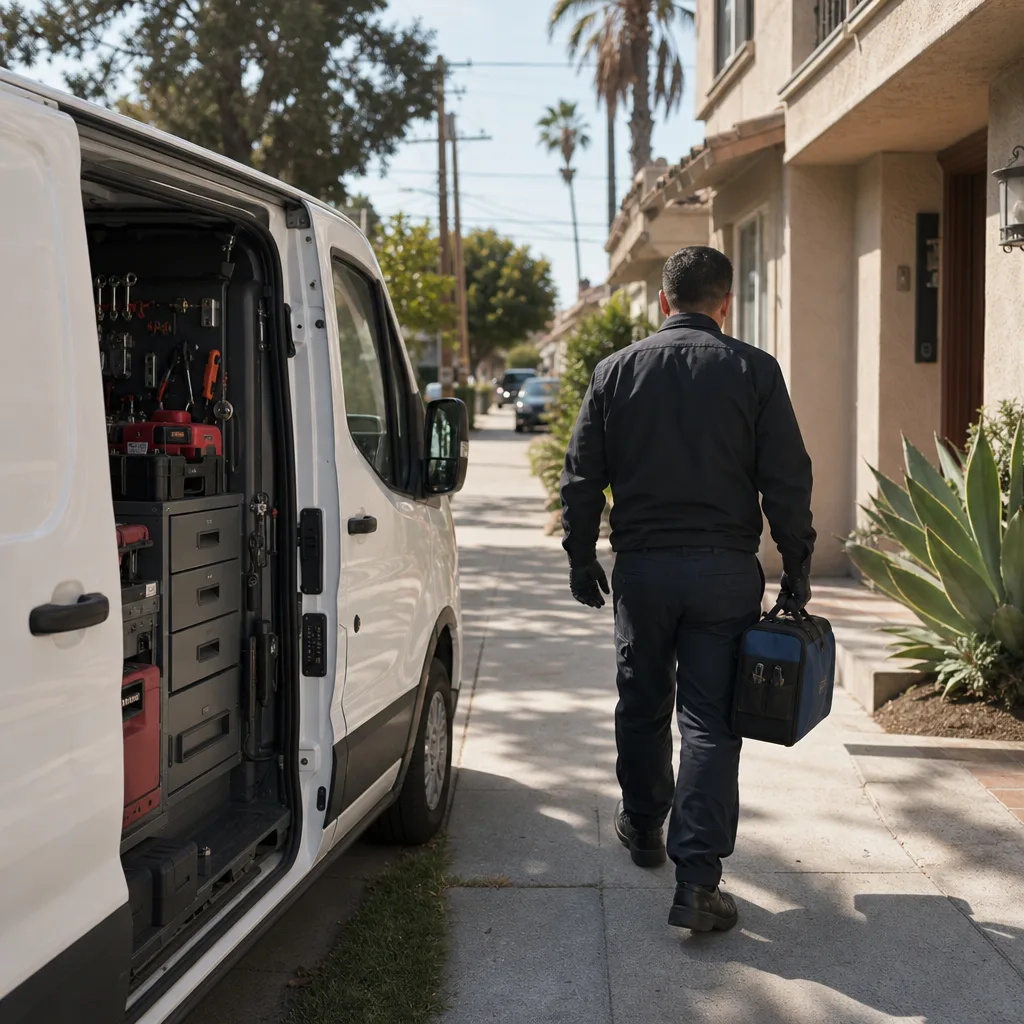
The most reliable fraud detection method requires one question: “Will you put the full price in writing before you dispatch, and is that price guaranteed not to change?”
The legitimate answer is yes, with specificity. At Novak Lock & Security, Haven Standard Clause 1 requires exactly this: the dispatcher quotes a firm price, the technician is contractually prohibited from changing it at the door, and the invoice matches the quoted amount. This rule has been in place since 2002 and is the foundation the business was built on.
The fraudulent answer follows predictable patterns: “We can’t quote until we see it” (for a standard lockout, which any experienced dispatcher can price from a description), “There’s a service call plus labor” (with labor undefined and unbounded), or “The technician will assess and quote on site” (the classic setup for a pressured upsell).
Here is the exact exchange to test any locksmith:
- Describe your situation: “I’m locked out of my house in Bixby Knolls. Standard Kwikset deadbolt, no dead battery, no damage. What’s the total price to open it?”
- Listen for specificity: A legitimate dispatcher will quote a flat rate or a narrow range with conditions clearly stated.
- Ask for written confirmation: “Will you email or text that price before dispatch?”
- Ask the guarantee question: “If your technician tries to charge more, what happens?”
- Verify the business name matches the license: Ask for the company name, then verify the license number independently.
Any hesitation, any deflection, any “we’ll work with you” vagueness is a signal to hang up and call elsewhere. The bait-and-switch operators depend on your reluctance to make a second call. Their business model collapses if customers consistently demand written prices upfront.
Long Beach-Specific Security Considerations
Long Beach’s geography and housing stock create distinct locksmith demands that generic guides miss. For more guides & resources tailored to local homeowners, explore our blog. Understanding these local factors helps property owners make informed hardware and service choices.
Marine corrosion: The salt air from the harbor and the Pacific accelerates corrosion on exterior brass and steel hardware. In the Belmont Shore and Alamitos Beach areas, we regularly see Grade 2 locks degrade to inoperability in 4-6 years rather than the expected 10-15. Stainless steel or marine-grade finishes add 30-50% to hardware cost but double service life near the water.
Historic hardware compatibility: The Bluff Park and Rose Park historic districts contain homes with original mortise locks from the 1910s-1940s. These locks use non-standard face plates, spindle lengths, and backsets that modern hardware does not match. Replacement requires either custom fabrication (expensive, long lead time) or careful sourcing from specialty suppliers. A technician who shows up with a standard deadbolt kit cannot solve this problem and may damage the original door prep trying to force fit.
Rental market turnover: Long Beach’s large renter population, concentrated near CSULB and Downtown, creates high rekeying volume. Property managers should understand that California Civil Code Section 1941.1 requires locks that are “in good working order” but does not mandate rekeying between tenants. However, local ordinances in some Long Beach rent-controlled buildings do require it. The documentation standard for rental rekeys should include a dated key receipt signed by the new tenant, protecting both landlord and tenant in disputes.
Port and industrial access control: The Port of Long Beach and surrounding logistics facilities require commercial locksmith services that extend beyond standard lock hardware. Truck yard access, container storage facilities, and TWIC-integrated entry systems demand technicians who understand both mechanical security and the regulatory environment. This is not residential work scaled up; it is a separate competency requiring different insurance, different equipment, and different documentation standards.
Choosing Hardware Grade for Your Property Type
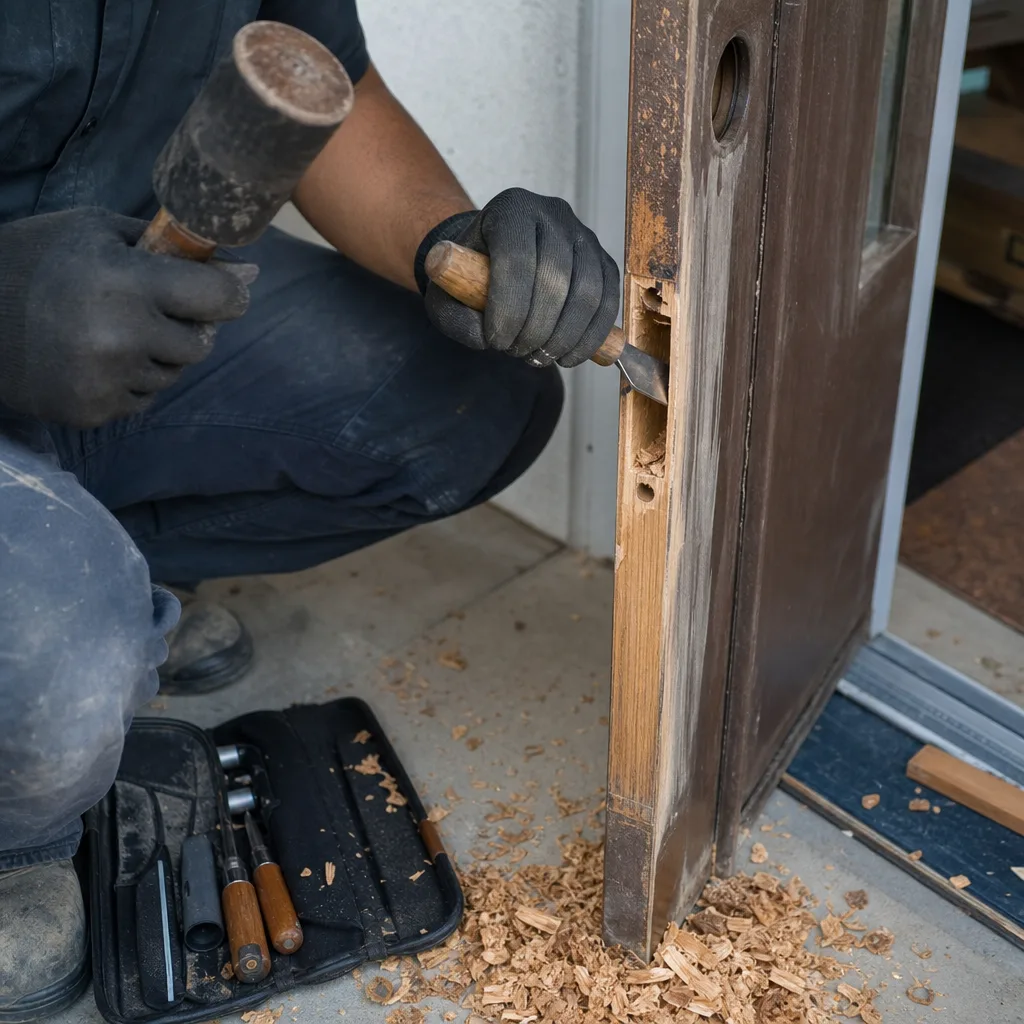
Lock hardware is graded by ANSI/BHMA standards that most consumers never encounter. Understanding these grades prevents the common error of installing residential-grade locks on commercial doors, or over-investing in commercial hardware on a residential interior door.
Grade 1: Highest residential and standard commercial. 800,000 cycle rating, 10 strikes to the door, 360-pound pull force. Appropriate for primary residential entry doors in high-traffic or high-risk locations, and for standard commercial interior doors. Examples: Schlage B60 series, Baldwin Prestige with Grade 1 cylinder.
Grade 2: Mid-level residential and light commercial. 400,000 cycle rating, 5 strikes, 250-pound pull. Appropriate for secondary residential doors, residential interior doors, and light commercial use. This is the most common grade installed in Long Beach’s 1950s-1980s housing stock.
Grade 3: Basic residential. 200,000 cycle rating, 2 strikes, 150-pound pull. Builder-grade hardware found in new construction and apartment complexes where cost minimization dominates. We do not install Grade 3 on primary entry doors; the security gap is too significant for the minimal cost savings.
High-security cylinders (beyond Grade 1): These are defined by key control and pick resistance, not cycle count. Mul-T-Lock’s Interactive+ system, Abloy’s Protec2, and Medeco’s Biaxial each use patented keyways that cannot be duplicated without authorization, and pin configurations that resist standard picking and bumping tools. For residential locksmith services in Long Beach’s higher-value neighborhoods, or for commercial environments with sensitive assets, these upgrades provide measurable security improvement that Grade 1 hardware cannot match.
The hardware grade should be noted in the job record. We’ve encountered installations where a customer paid for “commercial grade” hardware and received Grade 2 with a commercial-style lever. The lever looks industrial; the security is residential. Documentation prevents this substitution.
Common Mistakes to Avoid
- Accepting a verbal price without written confirmation. The most expensive locksmith call is the one where the price doubles at the door. Every legitimate operation confirms pricing in writing before dispatch.
- Assuming all locksmiths are licensed. California’s 2022 sting proved otherwise. Verify the license independently; don’t trust a logo on a website.
- Installing smart locks without understanding the mechanical fallback. When the battery dies or the Wi-Fi fails, you need a physical key override. We’ve opened numerous smart-locked homes in Long Beach where the owner had never tested the emergency key function.
- Rekeying without checking cylinder condition. A worn cylinder with rounded pin chambers will malfunction even with new pins. The technician should report bore wear and recommend replacement when appropriate.
- Ignoring the strike plate. A Grade 1 deadbolt installed with a 3/4″ strike plate screwed into door frame trim provides minimal security. The strike should be a full metal box with 3″ screws into the framing stud. This is standard on our installations, not an upgrade.
- Hiring based on Google position alone. National aggregators outspend local shops on advertising. Position one in search results correlates with ad budget, not with licensing, insurance, or quality.
- Neglecting key control documentation. For rental properties and businesses, undocumented key duplication creates liability. Every key issued should be logged with recipient name, date, and authorization.
When to Call a Professional
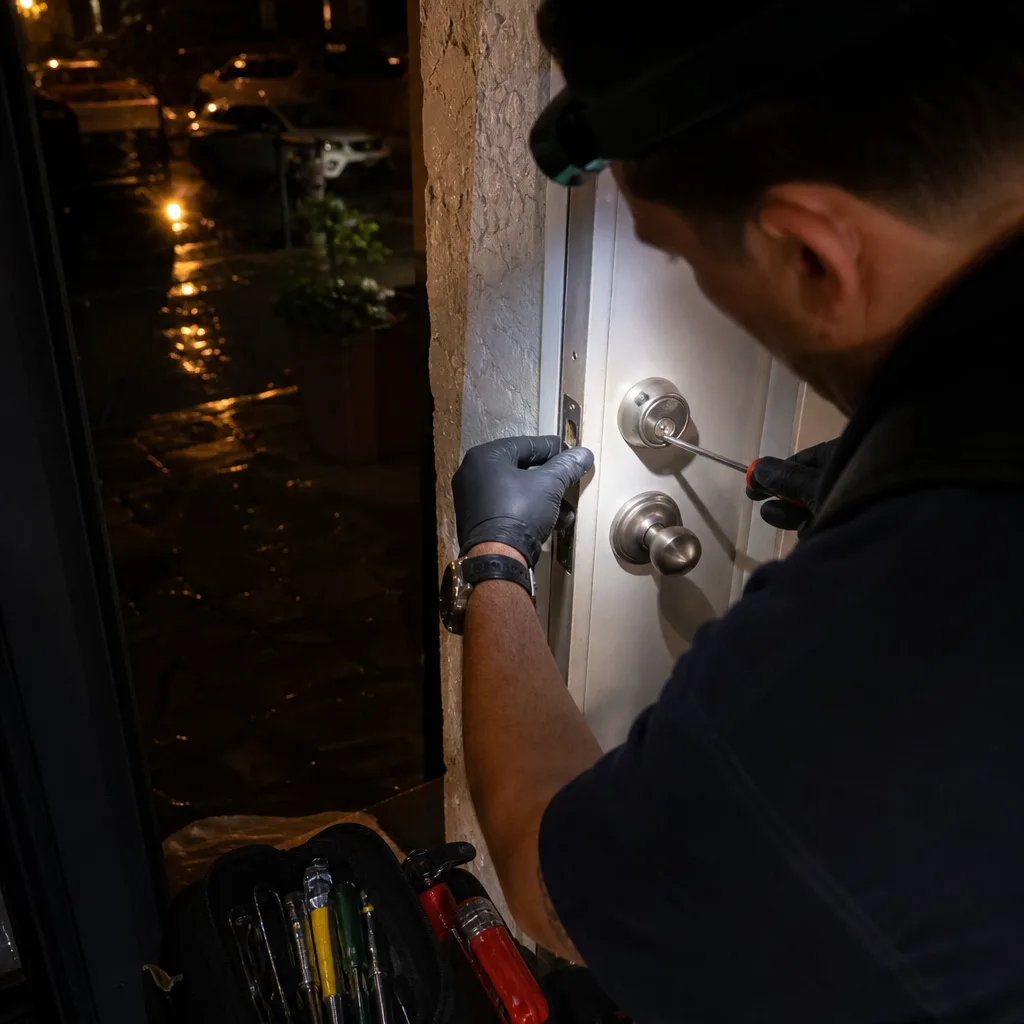
Call a licensed locksmith when you are locked out and cannot verify an alternative entry method, when you have lost keys and cannot account for all copies, when moving into a new home or between rental tenancies, when a lock is damaged, sticking, or showing visible wear, or when upgrading security after a break-in or threat assessment. For commercial properties, call when rekeying is needed due to personnel changes, when access control systems require programming changes, or when safe combinations must be changed after employee termination.
Novak Lock & Security Long Beach offers free estimates and free second opinions on any written competitor estimate. Our dispatchers answer calls live, 24 hours daily, and quote firm prices that our technicians are contractually prohibited from changing. For service in Long Beach, call (424) 340-6795.
Frequently Asked Questions
A standard residential lockout in Long Beach typically costs $85-$150 during business hours and $120-$200 after hours. Rekeying runs $19-$35 per cylinder plus a service call, and new deadbolt installation ranges $120-$200 per door. High-security upgrades start at $280 per door. Every price is quoted in writing before dispatch, with no call-out surcharge added on arrival. Call (424) 340-6795 for an exact quote on your specific situation.
Yes. At Novak Lock & Security, Haven Standard Clause 1 requires that the dispatcher’s quoted price match the invoice exactly. The technician is contractually prohibited from changing the price at the door. This rule has been in place since 2002. If the scope changes because you request additional services, that change is documented and approved before work continues.
Ask for the BSIS company license number (format: LCO-#####) and verify it at bsis.ca.gov. Ask for the individual technician’s registration number (LOC-#####) and request they produce it on arrival. Request a certificate of insurance. The entire process takes under two minutes and protects you from unlicensed operators who carry no bond and no liability coverage.
Response time depends on technician location and traffic conditions. From our dispatch point, typical arrival in Bixby Knolls, Belmont Heights, and Downtown Long Beach is 20-35 minutes. Belmont Shore and Naples may take 30-45 minutes due to bridge and traffic patterns. The dispatcher will provide an estimated arrival window when you call, and updates if traffic conditions change.
Rekey if the existing hardware is in good condition and matches your security needs. Replace if the hardware is Grade 3 (builder-grade), shows wear, or lacks the features you want (such as smart lock integration or high-security cylinders). In Long Beach’s coastal neighborhoods, we often find corrosion damage that makes replacement the better long-term value even if rekeying is technically possible.
The Haven Standard is a documented quality and documentation framework shared across all ten Haven brands, including Novak Lock & Security. Clause 1 guarantees written pricing before dispatch. Other clauses require background-checked technicians, uniformed appearance, documented photo records on every visit, and the 365-Day Done Right Promise. It is not a marketing term; it is a set of enforceable procedures with specific requirements for every customer interaction.
The Bottom Line
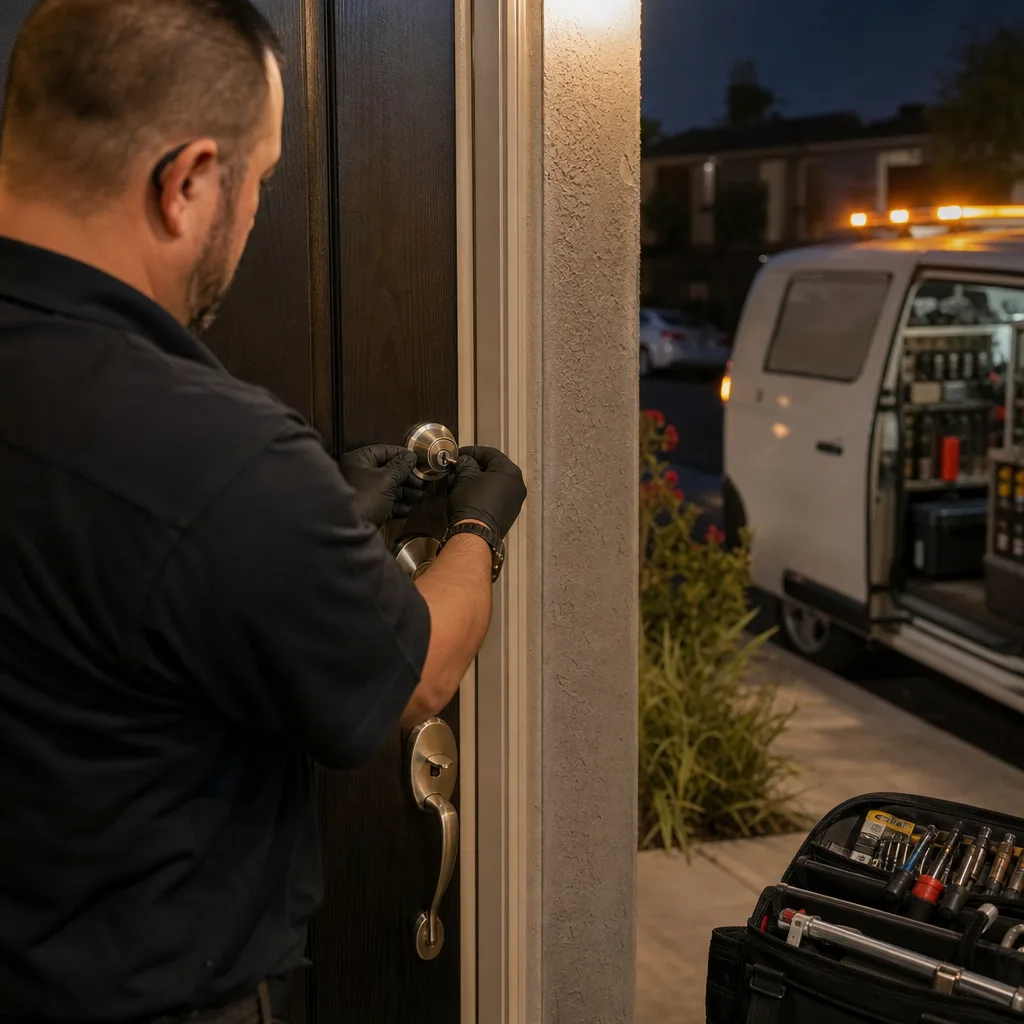
A locksmith in Long Beach is a regulated professional with specific licensing, specific service categories, and specific documentation obligations. The gap between legitimate operators and unlicensed dispatch services is widening, and the difference costs consumers money, security, and peace of mind they never recover. Verify the license, demand a written price, require documentation of what was installed and what condition it was in, and never accept a price change at the door. These four actions eliminate most bad outcomes. For service backed by documented procedures since 2002, Novak Lock & Security Long Beach operates under The Haven Standard with background-checked, uniformed technicians and firm upfront pricing on every call.
Call (424) 340-6795 for a free estimate. Estimates are free, written, and guaranteed not to change.
Written by Daniel Novak, Owner at Novak Lock & Security Long Beach, serving Long Beach since 2002.