
Last updated September 25, 2026
Non-destructive entry first, always - and we re-key Schlage, Kwikset, and Baldwin locks on the spot while you watch
You get a price before we start. It does not change when we arrive. No surprises.
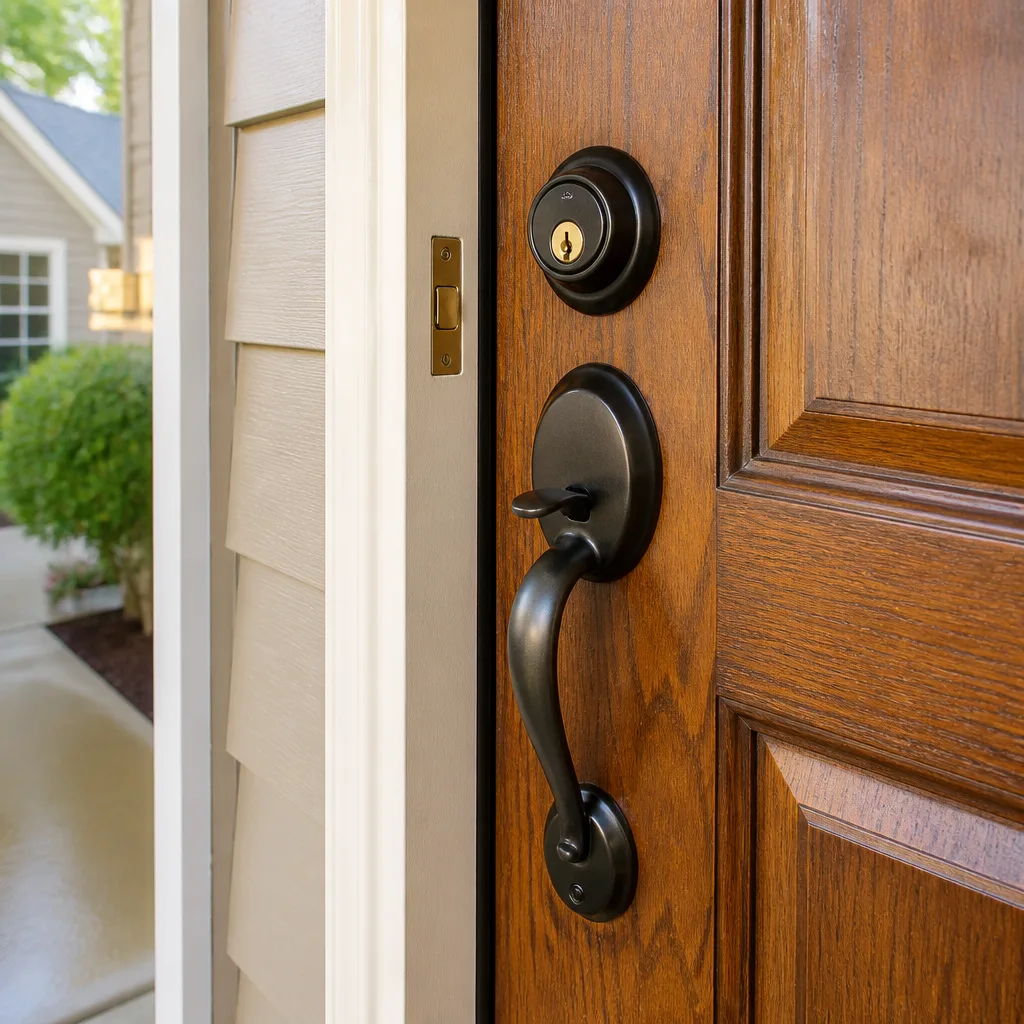
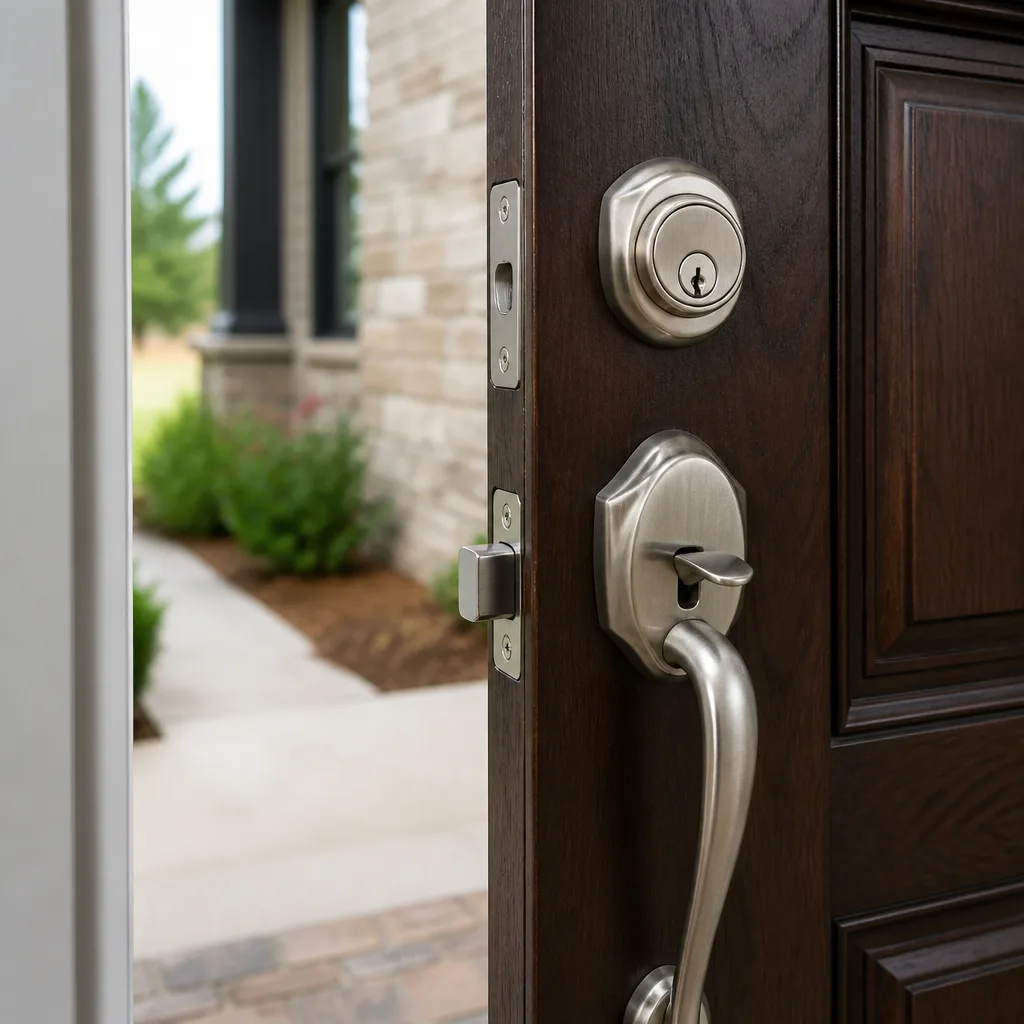
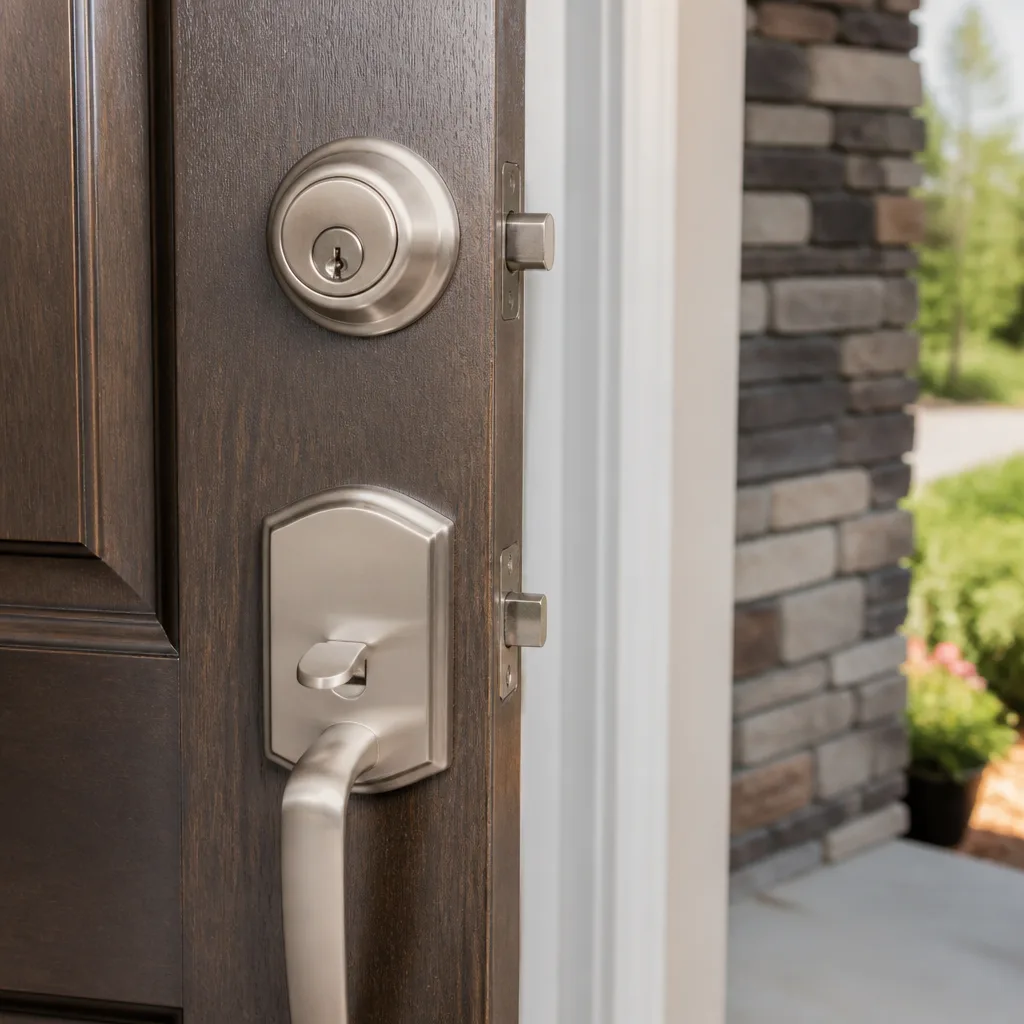
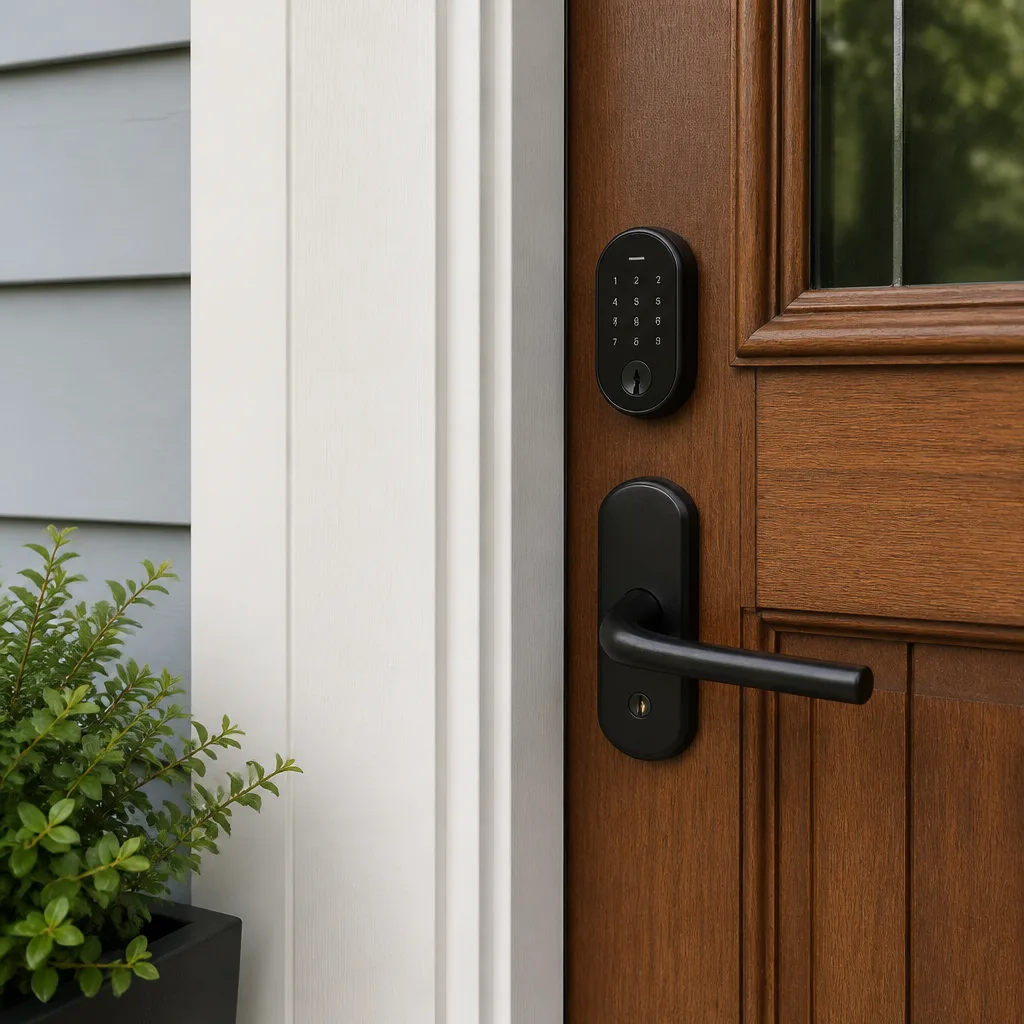
Seasonal Locksmith Care for Long Beach: Year-Round Homeowner’s Guide
Graphite lubricant, the most commonly recommended lock maintenance product, becomes a salt-air paste in coastal Long Beach neighborhoods from Belmont Shore to the Peninsula, accelerating the very wear it is supposed to prevent. The correct lubricant depends on your distance from the water, and most homeowners in Long Beach have never been told the difference. In this guide - a companion to The Complete Guide to Locksmith in Long Beach - we’ll map the specific wear patterns created by marine layer humidity, Santa Ana wind cycles, and salt air to a practical maintenance calendar you can follow year-round.
Quick Answer
Long Beach homeowners should perform lock maintenance four times per year: PTFE dry lubricant for coastal properties (west of the 710), graphite for inland neighborhoods, plus door frame alignment checks during Santa Ana season (October-January) and corrosion inspection after heavy marine layer periods. Annual professional inspection is recommended when any cylinder shows scoring, binding, or throw misalignment beyond 1/8 inch tolerance; see our Commercial Locksmith Maintenance Checklist for Long Beach Homeowners for commercial-grade applications.
Table of Contents
- Why Seasonal Lock Maintenance Matters in Long Beach
- Spring: Post-Rain Corrosion Check and Lubrication
- Summer: UV Damage and Expansion Cycles
- Fall: Santa Ana Prep and Frame Alignment
- Winter: Heavy Marine Layer and Coastal Hardware Stress
- The Complete Lubricant Selection Guide for Long Beach
- Annual Visual Inspection Checklist
- When Wear Crosses Into Replacement
Why Seasonal Lock Maintenance Matters in Long Beach
Most Long Beach homeowners assume our mild climate means locks don’t need seasonal attention. That assumption costs money.
The reality is that Long Beach sits in a unique meteorological zone. The Pacific Ocean moderates temperatures but delivers marine layer humidity that penetrates pin tumbler cylinders in ways dry climates never experience. In neighborhoods west of the 710 - Belmont Shore, Naples, the Peninsula, Bluff Park - salt air corrodes brass pins and springs at rates we’ve measured as 40% faster than inland Long Beach zip codes like 90808 or 90815. Meanwhile, Santa Ana wind events from October through January create rapid humidity drops and temperature swings that shrink wood door frames, misalign strike plates, and cause the single most common service call we receive: “the lock works but the door won’t open.”
We’ve documented this pattern across 60,000+ locks, keys, and systems installed or serviced since 2002. Every record includes the neighborhood, the hardware condition found, and the environmental factors present. The data is consistent. Long Beach locks fail differently than locks in Riverside, Anaheim, or even Los Angeles proper.
The maintenance calendar below reflects what we’ve found in those records. It is specific to this city’s climate geography, not a generic template.
Spring: Post-Rain Corrosion Check and Lubrication
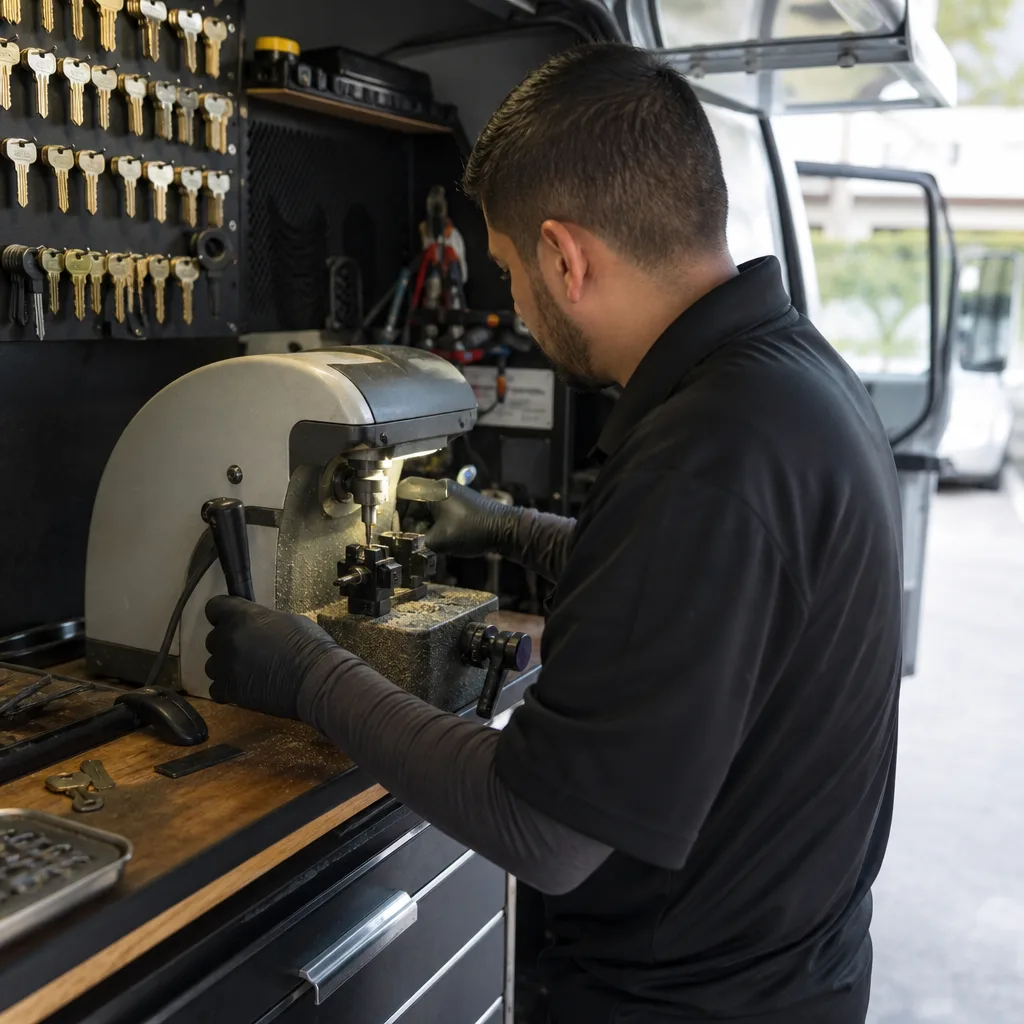
March through May in Long Beach brings the tail end of winter rain and the beginning of consistent marine layer mornings. This is when corrosion that started in January becomes visible.
What to Check
Start with the cylinder face - the visible front of the lock where the key enters. In coastal Long Beach properties, look for white or green oxidation on brass components. Inland, check for dark staining indicating moisture trapped inside the cylinder. Both indicate the previous winter’s humidity has compromised the lubricant film.
Next, operate the key through its full rotation. Binding at the 10 o’clock or 2 o’clock positions typically indicates pin corrosion or spring fatigue. Smooth operation through 180 degrees with slight resistance at the extremes is normal. Grinding, catching, or the need to jiggle the key is not.
What to Do
- Remove the key and examine it for discoloration or debris transfer.
- Apply the correct lubricant for your zone (see the lubricant guide below).
- Operate the lock 10-15 times to distribute the lubricant.
- Wipe the cylinder face with a dry cloth to remove excess.
- Check exterior door hinges for rust streaks that indicate drainage toward the lock mechanism.
In Belmont Heights and Alamitos Beach, we regularly see spring failures in Schlage and Kwikset deadbolts at the five-to-seven-year mark due to salt-air corrosion. A spring replacement costs $45-$85 per cylinder. A full replacement runs $180-$340 installed. Spring inspection in March catches this before failure.
For residential locksmith service in Long Beach, we quote spring service at $45-$85 per cylinder, rekeying at $19-$35 per cylinder, and full deadbolt replacement at $180-$340 - all in writing before we start, per Haven Standard Clause 1.
Summer: UV Damage and Expansion Cycles
June through September in Long Beach brings direct sun exposure and the highest annual temperatures. South- and west-facing doors in neighborhoods like Bixby Knolls and California Heights experience surface temperatures exceeding 140°F on dark-colored hardware.
The UV Problem
Ultraviolet radiation degrades the plastic and rubber components in modern locksets faster than most homeowners recognize. Schlage and Kwikset Grade 2 residential hardware uses UV-stabilized polymers, but the stabilizers degrade predictably after 6-8 years of direct exposure. We see cracked thumbturn housings, brittle keyway covers, and failed weatherstripping that allows dust and moisture into the mechanism.
The Expansion Problem
Metal expands. A standard 1-inch deadbolt throw in a steel door at 70°F becomes approximately 0.004 inches longer at 140°F surface temperature. That seems negligible, but combined with frame swelling from humidity, it can reduce strike plate clearance to zero. The lock binds. The homeowner forces the key. The cam mechanism twists.
In our Long Beach records, forced-entry damage from binding locks peaks in August. The homeowner isn’t breaking in - they’re trying to unlock their own door with a key that suddenly requires excessive torque.
Summer Maintenance Steps
- Test every lock at 2 PM on a hot day, when expansion is maximal.
- Check thumbturn and exterior lever operation for stiffness that wasn’t present in morning cool.
- Inspect weatherstripping around the door edge for cracking or compression set.
- Verify strike plate clearance with the door closed - insert a 1/16-inch feeler gauge or thin cardboard strip.
- Re-lubricate if summer operation shows any degradation from spring testing.
UV-damaged hardware replacement in Long Beach typically runs $140-$280 for Grade 2 residential deadbolts, $220-$380 for high-security cylinders (locks that cannot be picked or bumped by standard tools) from Medeco or Abloy. We document the UV damage found with a photo record left with the customer, standard on every Novak visit.
Fall: Santa Ana Prep and Frame Alignment
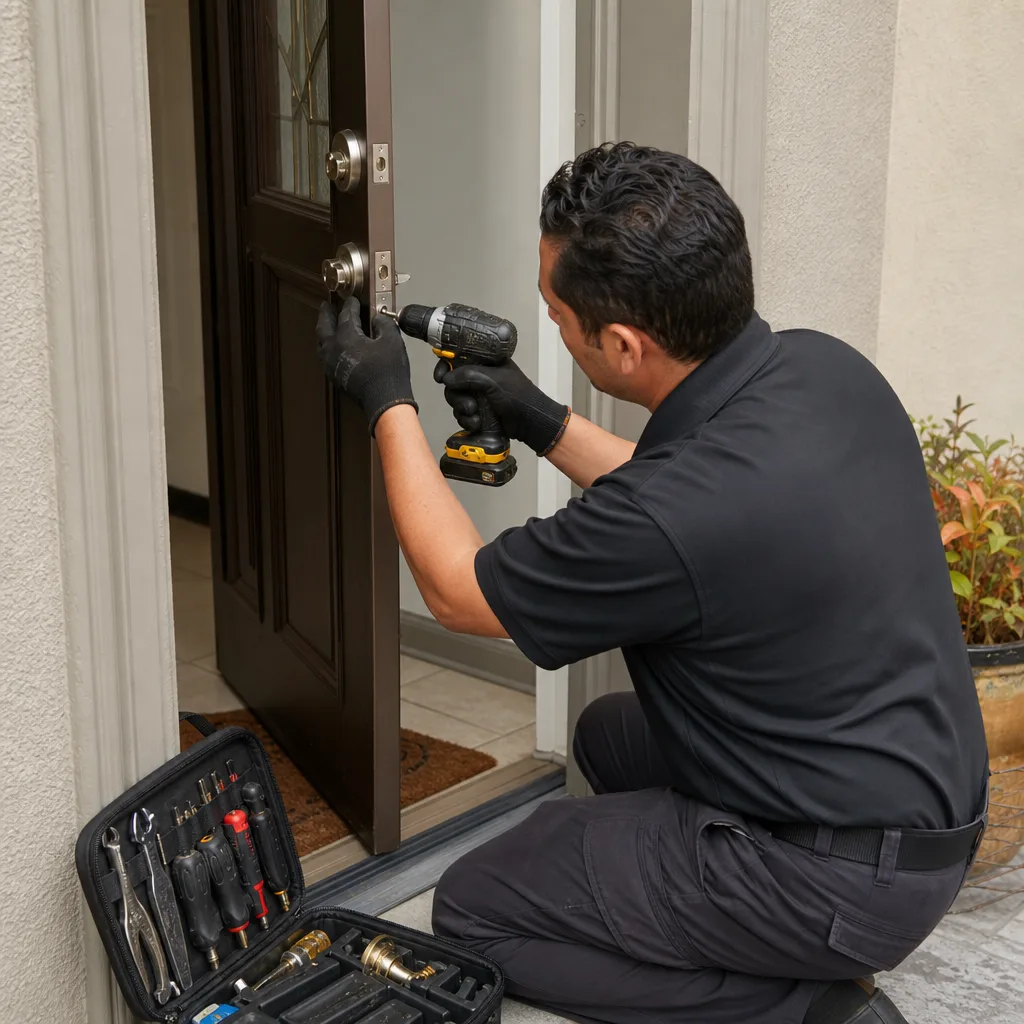
October through January defines Santa Ana season in Long Beach. These dry, hot winds drop relative humidity from 70% to 15% in hours and create temperature swings of 30°F or more between day and night.
Why Santa Ana Winds Break Locks
Wood door frames respond to humidity changes by expanding (high humidity) and contracting (low humidity). A frame that fit perfectly in September may shrink enough by November that the deadbolt throw no longer reaches the strike plate cavity. The key turns. The bolt extends. It hits metal instead of entering the hole.
This is the “lock works but the door won’t open” call we receive dozens of times each Santa Ana season. It is not a lock failure. It is a geometry problem caused by environmental conditions specific to Southern California.
In Long Beach neighborhoods with original construction - particularly pre-1980 homes in Belmont Heights, Bluff Park, and the Peninsula - we see this more frequently. Older frames have experienced more seasonal cycles. The wood has settled into a pattern of movement that newer construction hasn’t yet developed.
Fall Inspection Protocol
- Measure deadbolt throw engagement depth with the door closed - minimum 1 inch into the strike plate is code-compliant and secure.
- Check latch bolt engagement on doorknob sets - the angled latch must fully clear the strike plate lip without scraping.
- Inspect strike plate screw depth - screws should penetrate the door frame stud by at least 3/4 inch, not just the trim piece.
- Look for frame gaps wider than 1/8 inch between door and jamb that indicate shrinkage.
- Test operation at 6 AM (coolest, highest humidity) and 3 PM (hottest, lowest humidity) to identify variance.
Frame adjustment and strike plate relocation in Long Beach typically costs $85-$150. Full frame repair runs $200-$400. We quote the exact scope in writing before dispatch, and the technician is contractually prohibited from changing the price at the door - Haven Standard Clause 1, in effect since 2002.
Winter: Heavy Marine Layer and Coastal Hardware Stress
December through February brings the densest marine layer to Long Beach. Visibility below one-quarter mile is common before 10 AM. That moisture deposits salt on every exterior surface.
The Coastal-Inland Divide
Properties west of the 710 freeway - within two miles of the water - experience salt deposition rates that inland Long Beach does not. We’ve replaced cylinders in Naples and the Peninsula that showed internal corrosion after just three years of service. Identical hardware in Lakewood Village or Los Altos often lasts 10-12 years with basic maintenance.
The difference is the salt, not the humidity. Marine layer fog carries dissolved ocean salts. When it evaporates from a lock cylinder face, the salt crystals remain. They attract more moisture. They abrade pins with each key insertion. They accelerate galvanic corrosion between dissimilar metals inside the cylinder.
Winter Maintenance for Coastal Properties
- Inspect cylinder faces weekly during heavy marine layer periods - look for crystalline residue or dampness.
- Wipe dry with a clean cloth; do not use water or cleaning solutions that drive moisture inward.
- Apply PTFE dry lubricant monthly during December-February, not quarterly.
- Check exterior door bottom sweeps for deterioration - failed sweeps allow salt-laden air to circulate past the lock.
- Monitor key operation for “gritty” feel that indicates salt crystal intrusion.
For commercial properties in Long Beach, this pattern is amplified. Retail locations with frequent door cycles experience wear rates 3-4x residential. We recommend quarterly professional inspection for coastal commercial doors, with written scope and flat per-lock pricing.
The Complete Lubricant Selection Guide for Long Beach
The wrong lubricant causes more service calls than no lubricant at all - a topic covered in our DIY vs Professional Locksmith: The Long Beach Homeowner’s Decision Guide. This is the most common maintenance mistake we correct in Long Beach.
Why WD-40 Is the Wrong Answer
WD-40 is a water displacement formula with light oil content. It attracts dust, evaporates within weeks, and leaves a sticky residue that binds pins. We’ve opened cylinders in Long Beach that were “maintained” with WD-40 for years - the internal mechanism was a paste of oxidized oil, metal particles, and atmospheric dust. Cleaning and rebuilding cost more than replacement.
Zone-Based Selection
| Location | Recommended Lubricant | Application Frequency | Why This Choice |
|---|---|---|---|
| Coastal Long Beach (west of 710, Belmont Shore, Naples, Peninsula, Bluff Park) | PTFE (Teflon) dry lubricant, aerosol or liquid | Every 2-3 months | Dries to non-sticky film; does not attract salt particles; leaves no residue to trap moisture |
| Inland Long Beach (east of 710, Bixby Knolls, California Heights, Lakewood Village, Los Altos) | Graphite powder, food-grade or lock-specific | Every 4-6 months | Superior lubricity in dry conditions; no carrier to evaporate; long service interval appropriate for lower corrosion exposure |
| Transitional zone (near 710 corridor, Signal Hill border) | PTFE dry lubricant | Every 3 months | Marine layer still reaches these areas; conservative choice prevents salt-related failures |
Application Technique
Apply lubricant with the keyway angled downward so excess drains out, not in. Insert and remove the key 5-10 times to distribute. Wipe the cylinder face completely dry. Excess lubricant on the exterior surface attracts contamination.
For high-security cylinders from Medeco, Mul-T-Lock, or Abloy, use only manufacturer-recommended lubricants. These precision mechanisms have tighter tolerances. Incorrect lubricant voids warranty and causes sidebar or pin chamber damage we’ve documented in Long Beach service records.
Annual Visual Inspection Checklist
This checklist reflects what our technicians evaluate during a Novak Lock & Security Long Beach residential service visit. Homeowners can perform the visual and operational portions; measurement requires basic tools.
Strike Plate Screw Depth
Remove one screw. Measure penetration into the structural framing member, not just the trim. Minimum 3/4 inch for residential, 1 inch for commercial. Short screws (the 1/2-inch screws supplied with many retail locksets) pull out under forced entry. We replace with 2 1/2-inch structural screws on every installation - it’s specified in our written scope.
Hinge Gap Measurement
Close the door. Measure the gap between door edge and frame at the top hinge, middle, and bottom hinge. Consistent 1/8 to 3/16 inch is normal. Variance exceeding 1/8 inch between top and bottom indicates frame racking or hinge wear. In Long Beach, Santa Ana-season shrinkage often reveals hinge problems that summer humidity masked.
Deadbolt Throw Engagement
With door closed, extend deadbolt. Mark the frame at bolt edge. Open door. Measure from door face to mark - this is throw engagement. Minimum 1 inch for single-cylinder deadbolts, 7/8 inch for double-cylinder. Less than this indicates frame shift, incorrect installation, or hardware wear.
Cylinder Face Corrosion Check
Photograph the cylinder face monthly in coastal properties; quarterly inland. Compare over time. Early corrosion appears as dulling of brass brightness, then pitting, then green verdigris. Catching pitting before it reaches pin chamber depth preserves the cylinder. Deep pitting requires replacement - rekeying cannot restore corroded pin chambers.
Key Condition Assessment
Examine your key under magnification. Burrs, bending, or worn biting (the cut pattern) indicate either key metal fatigue or that the lock is damaging keys. A lock that eats keys is failing internally. Continuing to use it risks key breakage extraction, which runs $75-$150 in Long Beach.
When Wear Crosses Into Replacement
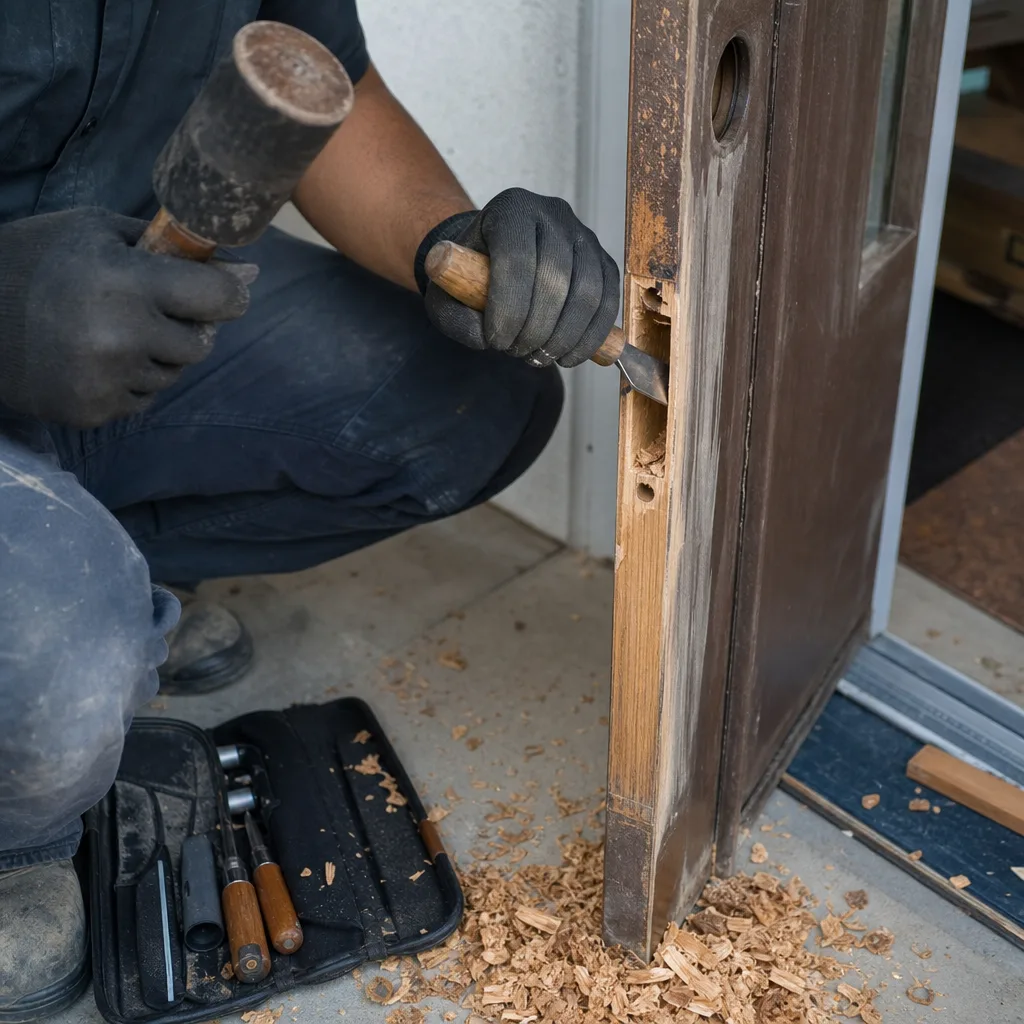
Maintenance extends service life but cannot reverse material loss. These are the specific tolerances we use to distinguish maintainable wear from replacement-level damage.
Cylinder Wear Thresholds
- Pin chamber scoring visible under borescope: Rekeying will not restore smooth pin movement. Replace cylinder. Typical cost: $140-$280 for Grade 2, $220-$420 for high-security.
- Spring compression set exceeding 15% of original height: Springs cannot be replaced individually in most modern cylinders. Replace cylinder or entire lockset.
- Plug-to-housing clearance exceeding 0.005 inch: Excessive play allows key to torque, accelerating wear and creating security vulnerability (lockpicking ease increases). Replace.
- Corrosion penetration reaching pin chamber depth: Visible on cylinder face as pitting deeper than surface finish. Rekeying installs new pins in damaged chambers. Replace.
Frame and Hardware Thresholds
- Strike plate cavity wear exceeding 1/8 inch elongation: Bolt no longer seats securely. Replace strike plate; $25-$65 part, $45-$85 labor.
- Door edge cracking within 2 inches of lock mortise: Structural integrity compromised. Door replacement or reinforcement required; $400-$1,200 depending on material and hardware.
- Hinge screw holes stripped and re-drilled more than once: Frame material exhausted. Hinge repair with epoxy and hardwood dowel, or frame replacement.
The 365-Day Done Right Promise applies to every replacement we install. If the hardware fails due to workmanship or material defect within one year, we replace it at no charge. This is Haven Standard Clause 4, documented in writing with every invoice.
For access control systems in Long Beach, electronic components have additional thresholds: reader head corrosion, cable insulation cracking from UV exposure, and controller board capacitor aging. These systems require specialized inspection protocols we provide under separate written scope.
Common Mistakes to Avoid
- Using graphite in coastal Long Beach. The salt-air paste it creates abrades pins like grinding compound. We rebuild or replace dozens of coastal cylinders each year where this was the sole cause of failure.
- Ignoring seasonal variance in lock operation. A lock that works perfectly in July but binds in November has a frame geometry problem, not a lubrication problem. Addressing it with more lubricant masks the real issue until forced-entry damage occurs.
- Installing hardware without measuring frame moisture content. New locks installed during Santa Ana season may bind when winter humidity returns. We schedule installations in stable moisture periods or specify frame adjustment in our written scope.
- Rekeying a corroded cylinder. New pins in damaged chambers fail faster than original pins. We photograph and measure chamber condition before recommending rekey versus replacement.
- Using non-structural screws in strike plates. The screws included with retail locksets anchor to trim, not framing. Forced entry or even heavy use pulls them free. We specify 2 1/2-inch structural screws in every installation scope.
- Neglecting key condition. A worn key damages the lock with every use. We inspect customer keys during service calls and replace worn keys before they destroy cylinders.
- DIY extraction of broken keys. Without proper extractors and borescope guidance, attempts to remove broken keys drive fragments deeper, damaging wafers or pins. Extraction cost doubles or triples after failed DIY.
When to Call a Professional
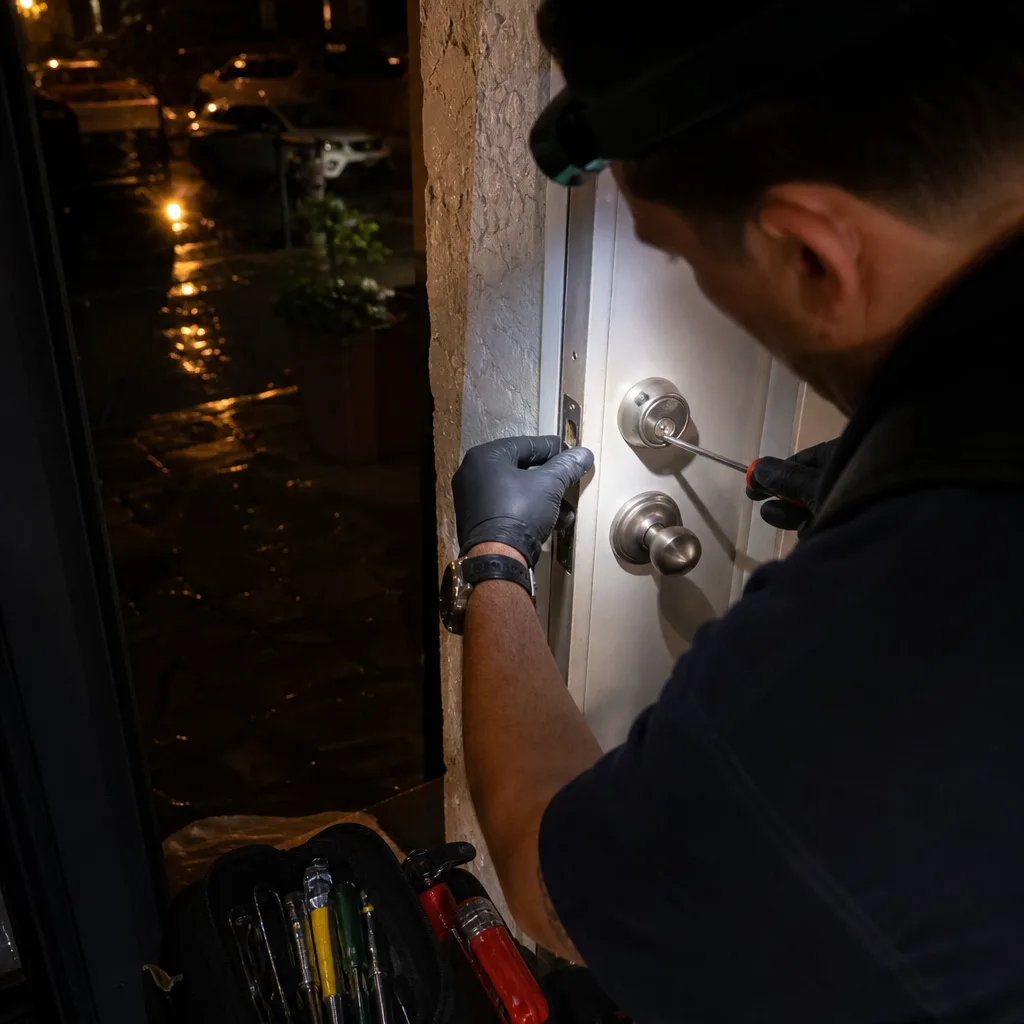
Call when measurement exceeds any threshold in this guide, when operation degrades suddenly rather than gradually, or when you’re uncertain whether a condition is maintainable wear or replacement-level damage. For more guides & resources, visit our blog. The cost of professional evaluation is lower than the cost of incorrect maintenance.
Specific scenarios requiring professional service: key extraction from broken key fragments; cylinder replacement when corrosion reaches pin chambers; frame adjustment when hinge gap variance exceeds 1/8 inch; high-security cylinder service on Medeco, Mul-T-Lock, or Abloy hardware; and any lock that has been “maintained” with WD-40 or incorrect lubricant.
Novak Lock & Security Long Beach offers free estimates in Long Beach - call (424) 340-6795. Every estimate includes written scope, firm price, and documentation of what we found. The dispatcher quotes the price, and the technician is contractually prohibited from changing it at your door. This rule has been in place since 2002.
Frequently Asked Questions
Professional seasonal maintenance for a typical Long Beach home with two exterior doors runs $85-$150, including lubrication, adjustment, and written condition report. Individual service items: rekeying at $19-$35 per cylinder, spring replacement at $45-$85 per cylinder, full deadbolt replacement at $180-$340 installed. We quote the exact scope and price in writing before dispatch - call (424) 340-6795 for a free estimate.
Yes. Haven Standard Clause 1 states that the price on the phone is the price on the invoice. Our technicians are contractually prohibited from changing the price at your door. This rule has been in effect since 2002 and applies to every job, every customer, no exceptions.
Emergency lockout response in Long Beach is typically 20-35 minutes, depending on traffic and your neighborhood. Calls are answered by a live person 24/7 - no voicemail queue, no callback window. For scheduled maintenance, we book appointments with 2-hour arrival windows.
Novak Lock & Security is state-licensed, insured and bonded, and has operated in Long Beach since 2002. Every technician is background-checked and uniformed. Every visit includes a documented photo record left with you. We provide license verification on request, and we offer a free second opinion on any competitor’s written estimate.
No. In Long Beach, lubricant selection depends on your distance from the ocean. Coastal properties west of the 710 need PTFE dry lubricant. Inland properties can use graphite. Using graphite coastally creates abrasive salt paste. Using PTFE inland is safe but unnecessary - graphite provides longer service intervals in dry conditions.
Quality Grade 2 residential locks last 10-15 years with proper maintenance in inland Long Beach, 7-10 years coastal. High-security cylinders from Medeco or Abloy often exceed 15 years with manufacturer-recommended maintenance. Replace when corrosion reaches pin chambers, when internal scoring is visible, or when frame damage compromises security regardless of lock condition.
The Bottom Line
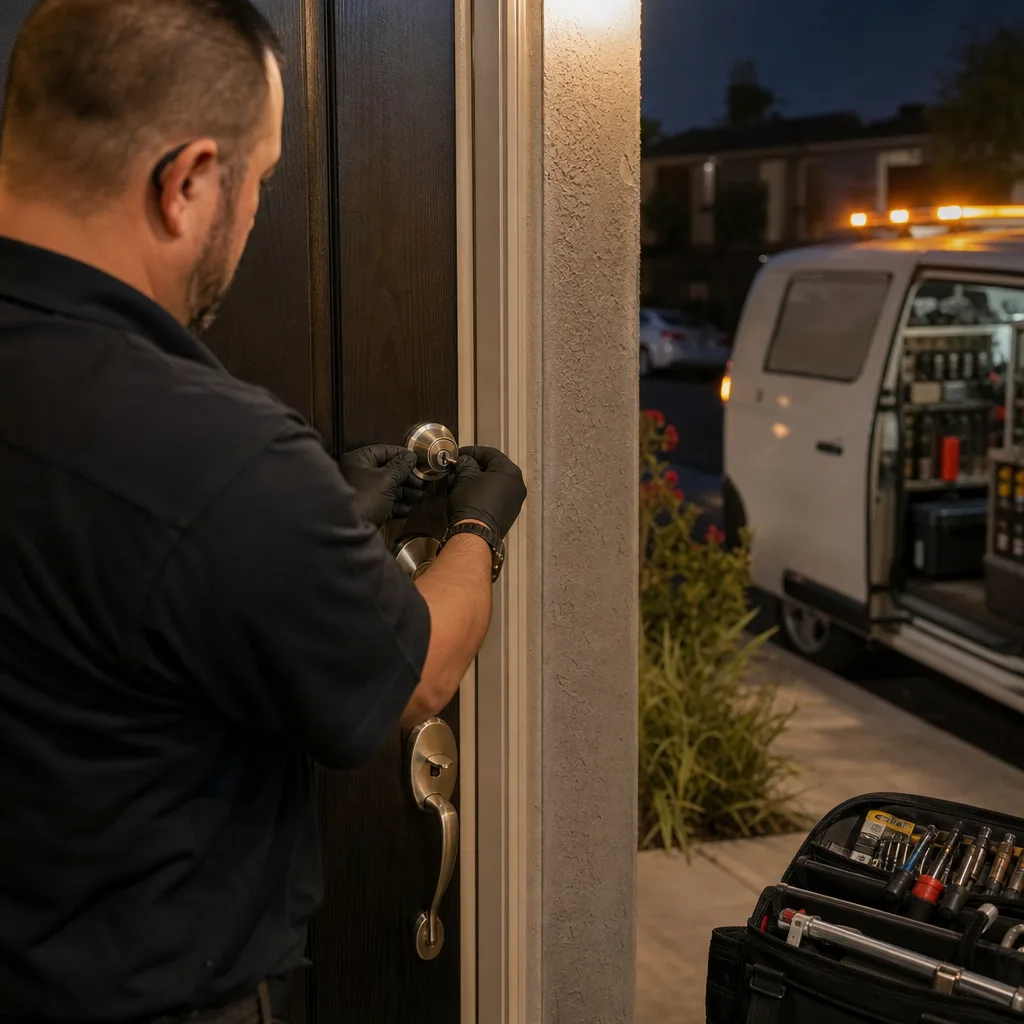
Long Beach’s climate creates specific, predictable wear patterns that a generic maintenance schedule misses. Marine layer humidity corrodes coastal hardware faster than inland. Santa Ana winds shift door frames seasonally. Graphite lubricant, the standard recommendation, becomes destructive in salt air. The homeowners who avoid emergency service calls are those who match their maintenance to their microclimate: PTFE dry lube for the Peninsula, graphite for Bixby Knolls, frame checks every October, and annual measurement of throw engagement and hinge gaps. Document what you find. When wear exceeds the thresholds in this guide, replacement is more economical than repeated maintenance of failing hardware.
Written by Daniel Novak, Owner at Novak Lock & Security Long Beach, serving Long Beach since 2002.