
Last updated September 25, 2026
Non-destructive entry first, always - and we re-key Schlage, Kwikset, and Baldwin locks on the spot while you watch
You get a price before we start. It does not change when we arrive. No surprises.
Locksmith Permits, Codes & Inspections in CA: What You Need to Know
Installing a hardwired access-control system on a commercial property in Long Beach without a permit is not a technicality. It can result in a stop-work order and a requirement to remove and re-inspect the entire installation at your cost. Most California homeowners assume locksmiths work without permits the way plumbers work without permits on a faucet swap, but certain lock and access-control installations trigger building department review, and an unpermitted installation can create title and insurance problems that outlast the hardware. In this guide, we’ll draw a clear line between permit-exempt work and work that requires a pull, explain how California egress codes affect every hardware decision, and show you how to protect yourself before you buy or renovate. For more guides & resources on Long Beach locksmith topics, visit our blog.
Quick Answer
Most mechanical locksmith work in California, including rekeying, lock replacement in the same prep, and master key system design, does not require a building permit. Work that integrates with a building’s electrical system, such as hardwired access control, electric strikes, and magnetic locks, typically requires an electrical permit and sometimes a building permit. In Long Beach, commercial and multi-unit residential buildings must also comply with fire marshal requirements for egress and keyway standardization that can override the hardware you planned to install.
Table of Contents
- What Locksmith Work Is Permit-Exempt in California?
- What Lock and Access Work Requires a Permit?
- California Egress Codes and Door Hardware
- Long Beach Fire Marshal Requirements
- BSIS Licensing vs. C-28 Contractor Licensing
- How to Request a Permit History Before Buying or Renovating
- Unpermitted Work in Title Searches and Insurance Claims
- Permit Costs and Inspection Timelines in Long Beach
What Locksmith Work Is Permit-Exempt in California?
California building departments generally treat mechanical lock work as maintenance, not construction. This distinction matters because it determines whether you need to pull a permit, hire a licensed contractor, or schedule an inspection.
Here is the work that typically does not require a permit anywhere in California, including Long Beach:
- Rekeying an existing lock cylinder (changing the internal pin configuration so old keys no longer operate it)
- Replacing a lock with a new unit that fits the same door prep, same backset, and same function
- Installing a deadbolt in a door that already has a deadbolt prep
- Repairing or replacing lock components: latches, strikes, cylinders, thumb turns
- Designing and implementing a master key system using mechanical pin-tumbler or high-security cylinders
- Key duplication and key cutting
- Safe servicing and combination changes
The key phrase is “same prep.” If the new hardware requires drilling new holes, cutting the door for a different backset, or modifying the frame, the work may cross into permit territory depending on the jurisdiction and building type. In our experience at Novak Lock & Security Long Beach, about 85% of residential service calls fall into the permit-exempt category.
We regularly see Long Beach homeowners in Belmont Shore and Bixby Knolls replace entry sets with upgraded hardware, moving from a standard Kwikset to a Schlage Grade 1 or a Medeco high-security cylinder, without any permit requirement. The door already has the 2-1/8″ bore and 2-3/8″ backset. The new unit drops in. No structural change, no electrical connection, no permit.
However, the permit-exempt status changes immediately when you leave the mechanical world. Install a Bluetooth-enabled smart lock that requires hardwired power, and you have entered electrical work. Add an electric strike to a commercial door, and the building department wants to see who wired it and whether the fire alarm system knows about it.
What Lock and Access Work Requires a Permit?
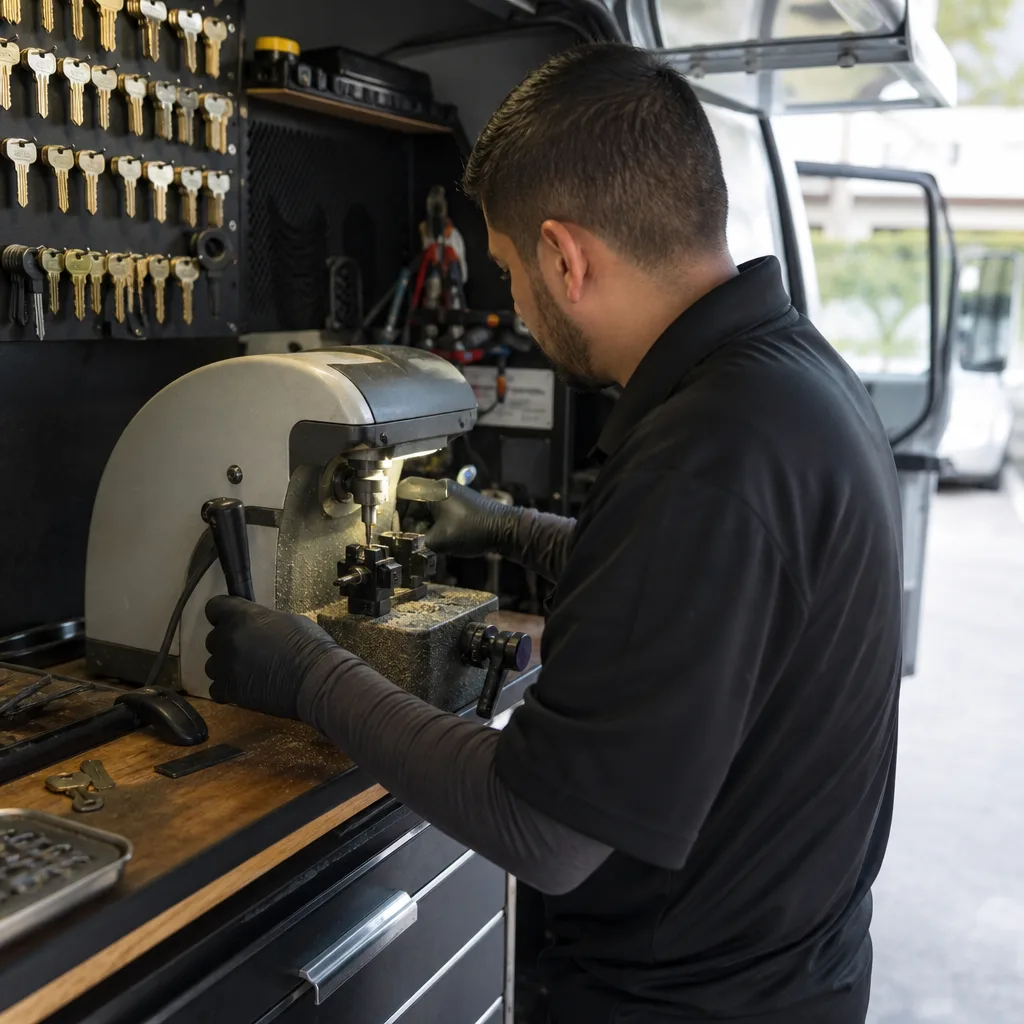
Work that integrates with building systems, alters egress paths, or modifies fire-rated assemblies triggers permit requirements. In California, this is not optional guidance. It is enforced code.
Electrical Permit Triggers
Any lock or access device that requires connection to the building’s electrical system needs an electrical permit. This includes:
- Hardwired access control panels and card readers
- Electric strikes (electromechanical door releases that replace standard strikes)
- Magnetic locks (mag-locks) and shear locks
- Power transfer devices for electrified mortise or cylindrical locks
- Hardwired electric bolt locks
- Door position switches and request-to-exit sensors wired into a central system
The electrical permit ensures a C-10 licensed electrician or a C-28 licensed locksmith-contractor performed the work to NEC (National Electrical Code) standards. In Long Beach, the electrical inspector will verify wire gauge, conduit fill, grounding, and whether the device is on a dedicated circuit or properly shared.
Building Permit Triggers
A building permit is required when the work affects:
- Fire-rated door assemblies (any modification to a fire-rated door or frame requires documentation that the assembly maintains its rating)
- Egress door hardware in commercial or multi-unit residential buildings (California Building Code Section 1008)
- Accessible entrance hardware (ADA compliance for lever height, operable force, and clear opening width)
- New door openings or the enlargement of existing openings
Fire Marshal Review
In Long Beach, any access-control installation in a commercial building, high-rise, or multi-tenant residential building over three stories requires fire marshal plan check before the building permit is issued. See our Commercial Locksmith Maintenance Checklist for Long Beach Homeowners for a full compliance overview. This is a separate review from the building department. The fire marshal checks that your mag-lock has a listed exit switch with 15-second delay capability, that the fire alarm system releases all locks upon alarm, and that the keyway system allows fire department master key access.
We have seen installations on Ocean Boulevard high-rises where the fire marshal rejected a mag-lock because the contractor failed to submit the fire alarm integration diagram. The lock was already mounted. The building owner paid to remove it, submit plans, and reinstall after approval.
California Egress Codes and Door Hardware
California Building Code Section 1008 governs every decision about door hardware in commercial and multi-unit residential buildings. The code is unambiguous: occupants must be able to exit without special knowledge, effort, or keys.
Here is what Section 1008 requires for egress doors:
- Single-motion egress. The door must open with one operation. A thumb turn, lever, or push pad is acceptable. A key-operated lock on the egress side is prohibited in most occupancies.
- No double-cylinder deadbolts on egress doors. A deadbolt that requires a key to unlock from the inside violates single-motion egress. We still find these installed by handymen in Long Beach apartment buildings, and they must be removed immediately upon discovery.
- Maximum 15 pounds of force. The door must open with no more than 15 pounds of force applied to the hardware. A misaligned frame or over-tightened closer can push this over the limit.
- Clear opening width. The door must provide a minimum clear width when open, typically 32 inches for most occupancies. Hardware projection into the opening cannot reduce this.
The egress requirements create a direct conflict with security goals. A business owner wants the back door locked against unauthorized entry. The code says anyone inside must exit freely. The solution is code-compliant hardware: panic hardware (crash bars) with exterior key access, or electrified panic hardware tied to the access-control system with fire alarm release.
In Long Beach’s older commercial corridors, particularly along Anaheim Street and Pacific Coast Highway, we encounter buildings with original 1950s and 1960s hardware that predates modern egress requirements. Our Seasonal Locksmith Care for Long Beach: Year-Round Homeowner’s Guide covers how aging hardware fits into ongoing maintenance planning. When these buildings change use, say from retail to restaurant, the building department triggers a full hardware upgrade to current CBC standards. The locksmith’s scope is not just “change the locks.” It is: specify, source, and install code-compliant egress hardware, coordinate with the fire marshal, and provide documentation for final inspection.
We document every hardware specification in writing before ordering. Haven Standard Clause 3 requires the written scope to include the code section being satisfied, the manufacturer, model, and finish. The customer receives this document before work starts and a photo record of the installed hardware after completion.
Long Beach Fire Marshal Requirements
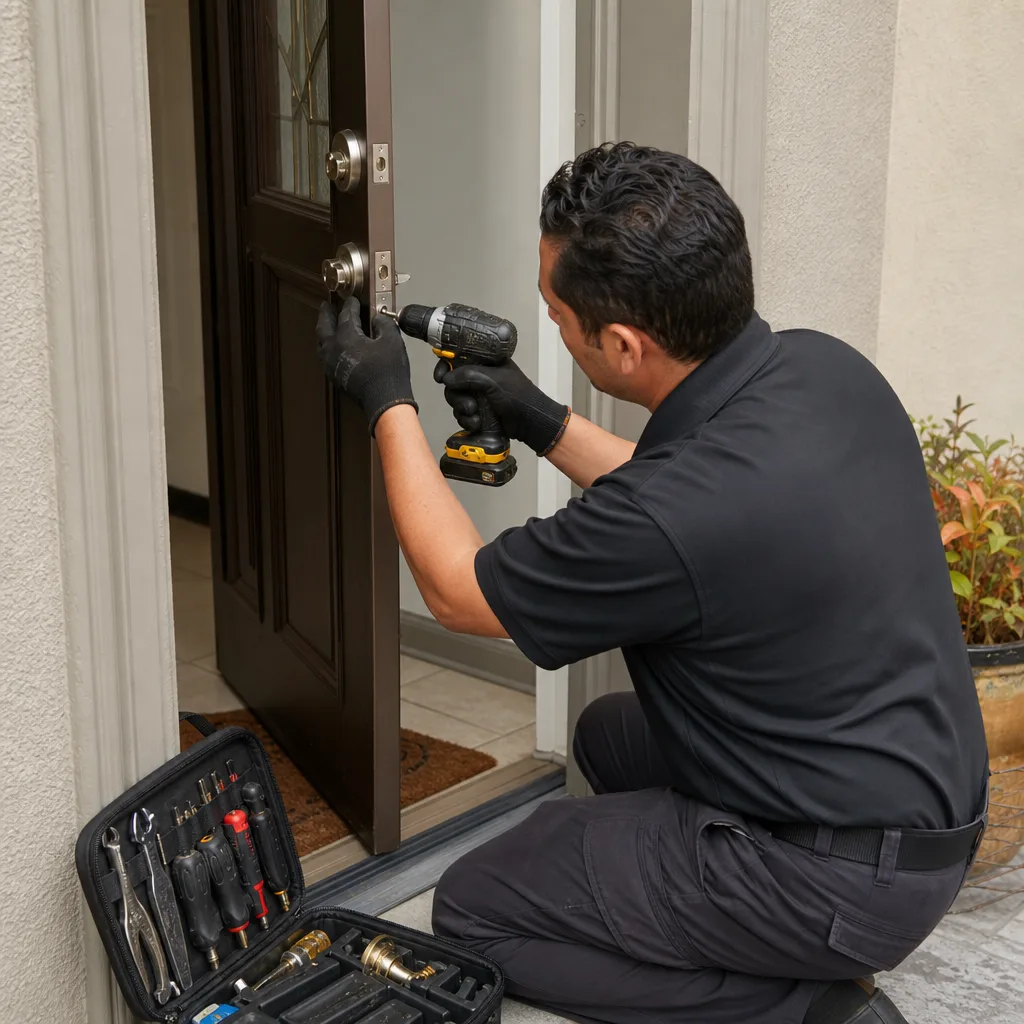
Long Beach operates its own fire prevention bureau with requirements that exceed the base California Fire Code in specific building categories. If you own or manage property in these categories, the fire marshal’s lock and keyway rules apply to you.
High-Rise Buildings (75 Feet or Greater)
Long Beach requires high-rise buildings to maintain a standardized keyway system that allows fire department access through a single master key. This means:
- All lock cylinders must be keyed to the Long Beach Fire Department master keyway or fitted with a fire department override lock box (Knox Box) at the main entry
- Individual unit locks must be removable or overrideable by the fire department master
- Any rekeying or cylinder replacement must preserve fire department access
We have serviced buildings in the downtown Long Beach skyline where the previous locksmith installed non-compliant cylinders and the fire marshal issued a correction notice at the annual inspection. The building manager had 30 days to replace every cylinder or face occupancy restrictions.
Multi-Tenant Residential (Three or More Units)
Multi-tenant buildings must provide the fire department with access to common areas, utility rooms, and individual units in emergency. The specific requirements include:
- Master key systems that allow emergency access without damaging doors
- Key boxes at approved locations with current keys, updated within 24 hours of any rekey
- Documentation of the key hierarchy available for fire marshal review
Commercial Buildings with Access Control
Any mag-lock, electric strike, or delayed-egress installation in a Long Beach commercial building requires fire marshal plan check. The submittal must include:
- Manufacturer cut sheets for all electrified hardware
- Wiring diagram showing connection to fire alarm system
- Sequence of operations describing how the lock releases upon fire alarm, power failure, and manual activation
- Location plan showing all controlled doors
The fire marshal will not approve a mag-lock without a listed request-to-exit device and a fire alarm interface. We have reviewed competitor proposals that omitted this interface to cut costs. Those installations fail inspection. The building owner pays twice.
At Novak Lock & Security Long Beach, we submit fire marshal packages as part of our standard scope for access control systems in Long Beach. The submission is included in our written price. No surprise fees at inspection time.
BSIS Licensing vs. C-28 Contractor Licensing
California regulates locksmiths through two separate frameworks, and the distinction determines what work a technician can legally perform.
BSIS Locksmith License
The Bureau of Security and Investigative Services (BSIS) issues locksmith licenses under Business and Professions Code Section 6980. A BSIS-licensed locksmith can:
- Rekey, repair, and replace mechanical locks
- Install locks in existing door preps
- Design and implement master key systems
- Service safes and vaults
- Perform automotive lock work
BSIS licensing requires fingerprinting, a background check, and passage of a written examination. It does not require electrical competency or contractor bonding.
C-28 Lock and Security Equipment Contractor License
The Contractors State License Board (CSLB) issues the C-28 classification for “Lock and Security Equipment.” A C-28 contractor can perform all BSIS locksmith work plus:
- Install hardwired access control systems
- Wire electric strikes, mag-locks, and electrified hardware
- Integrate lock systems with fire alarm and intrusion detection systems
- Perform low-voltage wiring for security devices
- Pull electrical and building permits for security-related work
The C-28 license requires four years of journey-level experience, passage of trade and law examinations, and a contractor bond. It is the only license that legally permits electrical work on security systems.
Why the Distinction Matters
A BSIS-licensed locksmith who installs a hardwired access control system is performing unlicensed electrical contracting. If the work causes a fire or fails during an emergency, the property owner’s insurance may deny coverage based on unlicensed installation. We have been called to Long Beach commercial properties where the previous installer held only a BSIS license and the building department red-tagged the system at final inspection. Learn the warning signs in our Locksmith Warning Signs: A Long Beach Homeowner’s Reference Guide.
Before hiring for access control, ask for the CSLB license number and verify it at cslb.ca.gov. Novak Lock & Security Long Beach holds both BSIS locksmith licensing and C-28 contractor classification. Our C-28 number is available on request, and we pull permits directly without subcontracting the electrical work to an unknown third party.
How to Request a Permit History Before Buying or Renovating
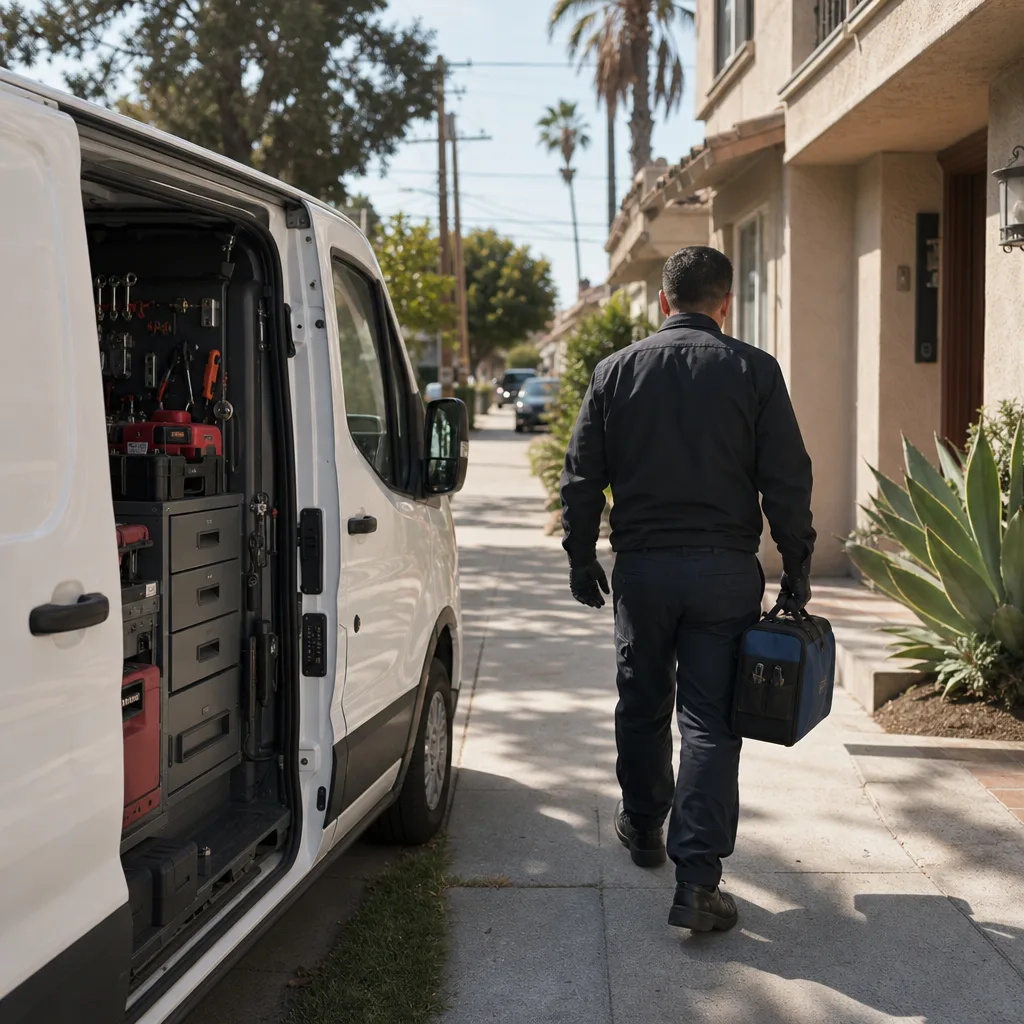
Unpermitted lock and access work is a hidden liability in real estate transactions. A buyer who discovers unpermitted electrical work after closing may face removal costs, permit penalties, or insurance disputes. The solution is to check the permit history before you commit.
Step-by-Step: Long Beach Permit History Request
- Identify the property. You need the address and APN (Assessor’s Parcel Number). The APN is on the property tax bill or available through the Los Angeles County Assessor’s office.
- Access the Long Beach Development Services portal. The city maintains online permit records at longbeach.gov/development-services. Create a free account to search by address or APN.
- Request a permit history report. For older records not digitized, submit a written request to the Development Services records counter at 333 W. Ocean Boulevard. The fee is typically $15-$30 for a printed history.
- Review for security and electrical permits. Look for permit types: “Electrical,” “Security System,” “Access Control,” “Tenant Improvement,” or “Change of Occupancy.” Any of these may include lock and door hardware scope.
- Request inspection records for open permits. An open permit means work was started but never finalized. Open electrical permits are common red flags for uninspected access control work.
- Hire a locksmith to field-verify. Bring the permit history to a C-28 licensed locksmith for comparison against installed hardware. We perform this service for Long Beach property buyers and include a written report of discrepancies.
In 2023, we reviewed a commercial property on Long Beach Boulevard for a buyer. The permit history showed a 2019 electrical permit for “card access system,” but no final inspection. Our field check found mag-locks without fire alarm release, a clear code violation. The buyer negotiated a $12,000 credit for permitted replacement.
Unpermitted Work in Title Searches and Insurance Claims
Title insurance and property insurance operate on different timelines, but both can be affected by unpermitted lock and access work.
Title Insurance
A standard title search does not include building permit verification. Title insurance protects against defects in ownership, not building code compliance. However, if unpermitted work triggers a city enforcement action, that action becomes a lien or encumbrance on the property. A lien clouds title. A clouded title blocks sale or refinancing until resolved.
In Long Beach, the city can place an abatement lien for unpermitted work that creates a life-safety hazard. Access control that blocks egress qualifies. We have seen liens placed on commercial properties where unpermitted mag-locks were discovered during fire marshal inspections triggered by unrelated complaints.
Property Insurance
Property insurance policies contain exclusions for damage caused by faulty or illegal workmanship. If a fire starts at an unpermitted electric strike installation, the insurer may deny the claim based on the unlicensed contractor exclusion. The building owner pays for the fire damage out of pocket.
Key questions to ask your insurance agent:
- Does the policy exclude damage from unlicensed contractor work?
- Is there a specific exclusion for unpermitted electrical installations?
- Does the policy require permit documentation for security system claims?
We provide written documentation of permits pulled, licenses held, and inspections passed for every commercial locksmith in Long Beach project we complete. This documentation is yours to keep and to present to your insurer if needed. It is part of our standard deliverable, not an extra charge.
Permit Costs and Inspection Timelines in Long Beach
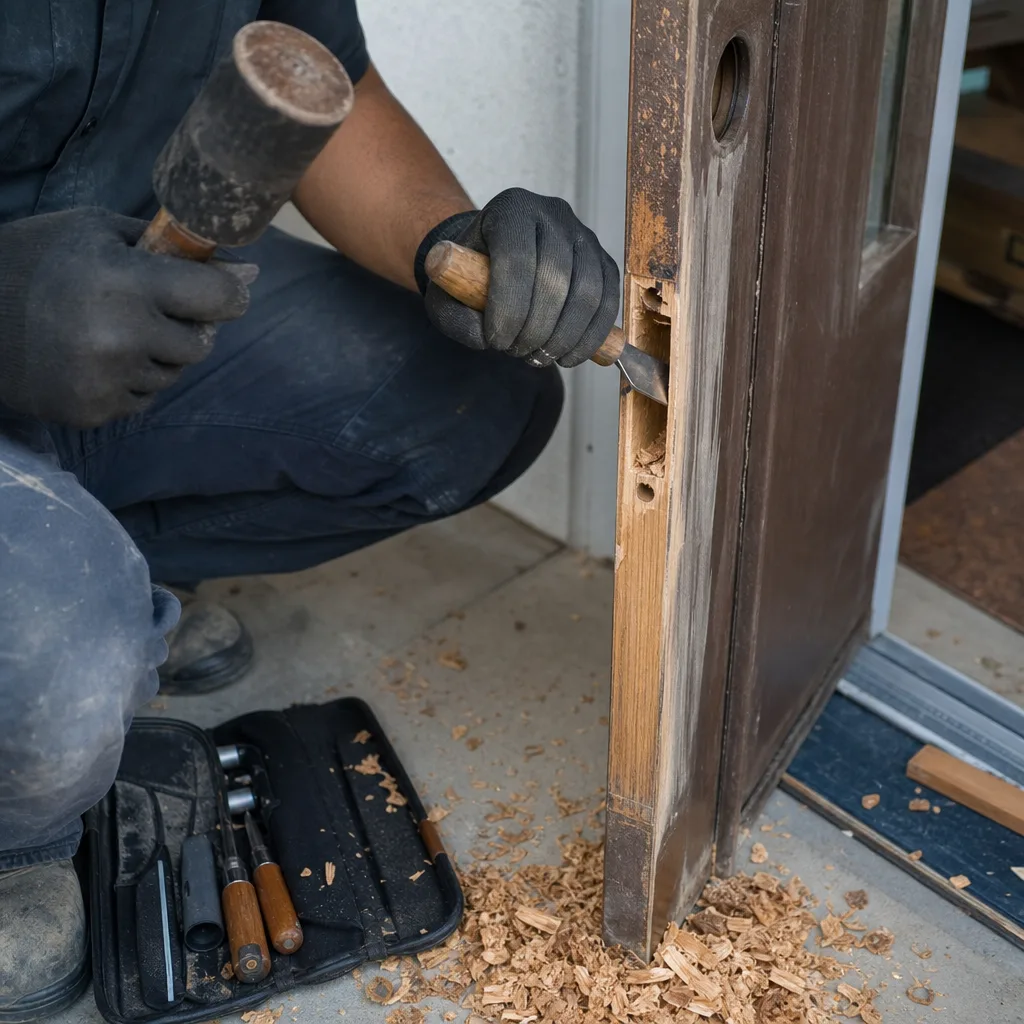
Permit costs in Long Beach follow a structured fee schedule based on project valuation. For locksmith-related work, the relevant categories are:
| Permit Type | Base Fee | Additional Costs | Typical Timeline |
|---|---|---|---|
| Electrical (access control, electric strikes) | $180-$350 | Plan check fee: $150; Inspection fee: $85 per visit | 2-4 weeks plan check + 1 week inspection scheduling |
| Building (fire-rated door modification) | $220-$480 | Plan check fee: $200; Fire marshal review: $175 | 3-5 weeks total |
| Tenant improvement (commercial rekey with hardware upgrade) | $300-$600 | Plan check and multiple inspections | 4-6 weeks |
| Fire marshal plan check only | $175 | Re-review if rejected: $85 | 1-2 weeks |
These are city fees only. They do not include the locksmith’s or electrician’s labor for plan preparation, permit submittal, or correction response. At Novak Lock & Security Long Beach, we include permit coordination in our written scope for all access control systems in Long Beach projects. The price on the phone is the price on the invoice, including permit fees, plan check, and inspection attendance.
Timeline planning is critical for commercial tenants with lease commencement dates. We recommend starting the permit process 6-8 weeks before the target completion date. The Long Beach Development Services center processes permits in order received; expediting is available for an additional fee but does not guarantee approval.
Common Mistakes to Avoid
- Hiring a BSIS-only locksmith for access control. The license does not cover electrical work. The installation is illegal, uninsurable, and likely to fail inspection. Verify C-28 classification before signing.
- Installing mag-locks without fire alarm integration. California Fire Code requires automatic release upon fire alarm activation. A standalone mag-lock without this interface is a code violation and a life-safety hazard.
- Rekeying a multi-unit building without updating the fire department key box. Long Beach fire marshal requires key box contents to match current locks within 24 hours of any change. Failure to update can result in fines at the next inspection.
- Assuming a “lock swap” is always permit-exempt. Swapping a Grade 2 lever for a Grade 1 lever in the same prep is exempt. Swapping a mechanical lock for an electrified version in the same prep is not, it requires electrical permit and inspection.
- Skipping permit history review before purchase. The $15-$30 permit history fee is negligible compared to the cost of discovering unpermitted access control after closing. We provide free permit history review as part of our pre-purchase security assessment.
- Using double-cylinder deadbolts on rental unit egress doors. This violates CBC Section 1008 and creates landlord liability if a tenant cannot exit during a fire. We remove these on discovery and install code-compliant single-cylinder hardware with removable thumb turn.
- Accepting verbal assurance that a permit “isn’t needed.” The person giving that assurance will not pay your fines or remove your hardware when the building department disagrees. Get the determination in writing from the jurisdiction, or hire a C-28 contractor who pulls permits as standard practice.
When to Call a Professional
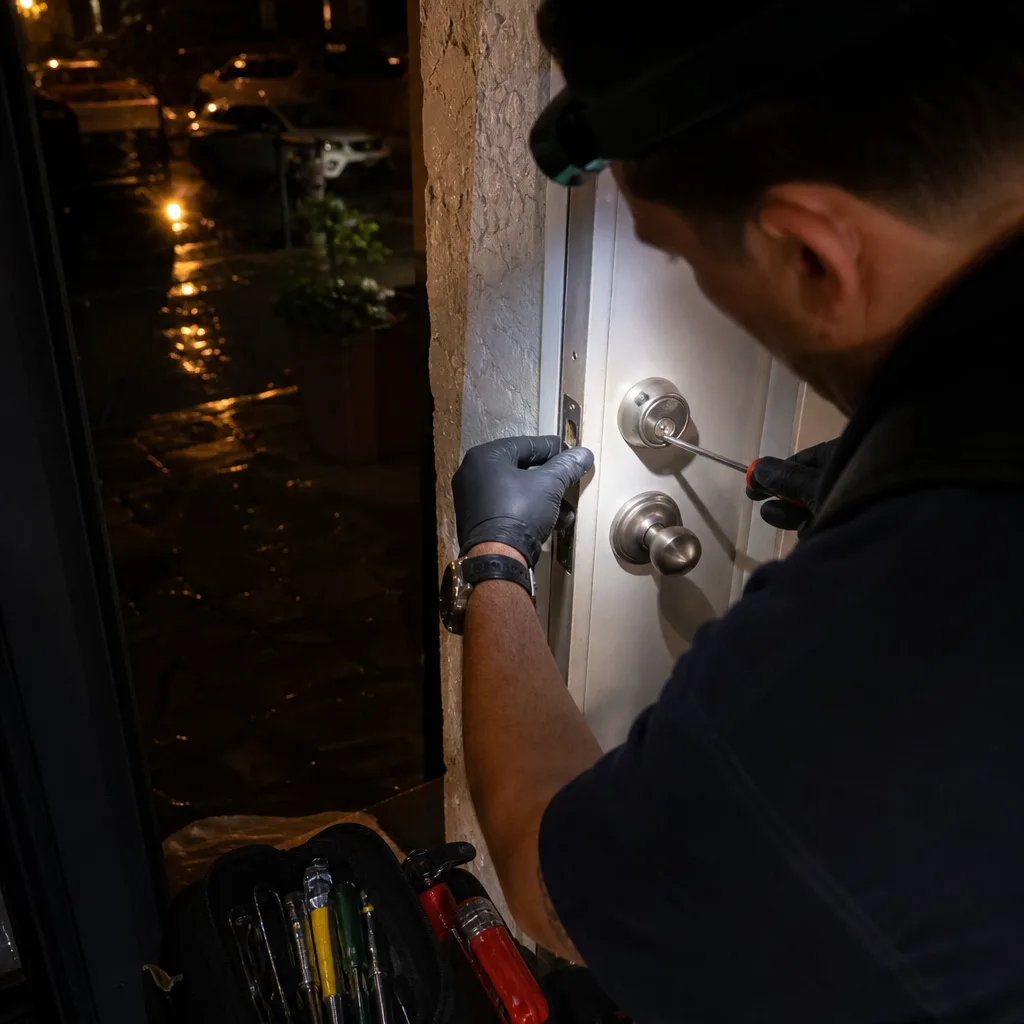
Call a C-28 licensed locksmith-contractor when your project involves electrified hardware, access control, fire-rated doors, or any commercial or multi-unit residential building in Long Beach. The permit and code landscape is not intuitive, and the cost of correction exceeds the cost of doing it properly the first time.
Novak Lock & Security Long Beach offers free estimates in Long Beach. Call (424) 340-6795. We will review your scope, identify permit requirements, and provide a written price that includes all documentation, permit coordination, and inspection attendance. The price we quote is the price on the invoice. Haven Standard Clause 1.
Frequently Asked Questions
No. Rekeying a residential lock is mechanical maintenance that does not require a building or electrical permit anywhere in California. We rekey homes in Long Beach neighborhoods from Belmont Heights to California Heights daily without permit involvement. The work takes 15-30 minutes per lock, and you receive new keys and a written invoice. Call (424) 340-6795 for a per-cylinder price quote.
A regular BSIS-licensed locksmith cannot legally install an electric strike if the work requires connection to building power. You need a C-28 Lock and Security Equipment contractor or a C-10 electrician. The C-28 is the better choice because they understand both the hardware and the code requirements. Novak Lock & Security Long Beach holds C-28 classification and pulls electrical permits for electric strike installations as standard practice.
Request a permit history from Long Beach Development Services using the property address and APN. Look for electrical permits with “access control,” “card reader,” or “security system” in the description. Then verify that each permit shows a final inspection status. Open permits mean the work was never approved. We provide free permit history review as part of our commercial security assessments.
The Long Beach Fire Prevention Bureau can issue a correction notice requiring immediate removal or retrofit. If the violation is not corrected within the specified timeframe, the bureau can impose fines, restrict occupancy, or place an abatement lien on the property. We have retrofitted non-compliant mag-locks with proper fire alarm release and request-to-exit devices to bring installations into compliance.
Yes. For any project requiring permits, our written scope includes the permit fees, plan check costs, and inspection attendance. The total is quoted before work starts. The technician is contractually prohibited from changing the price at the door. This rule has been in place since 2002. Call (424) 340-6795 for a written estimate.
Electrical permits for access control typically run $180-$350 in base fees, plus $150 for plan check and $85 per inspection visit. Building permits for fire-rated door modifications add $220-$480 plus fire marshal review at $175. We include all permit costs in our written price for commercial locksmith in Long Beach projects. There is no call-out surcharge added on arrival.
The Bottom Line
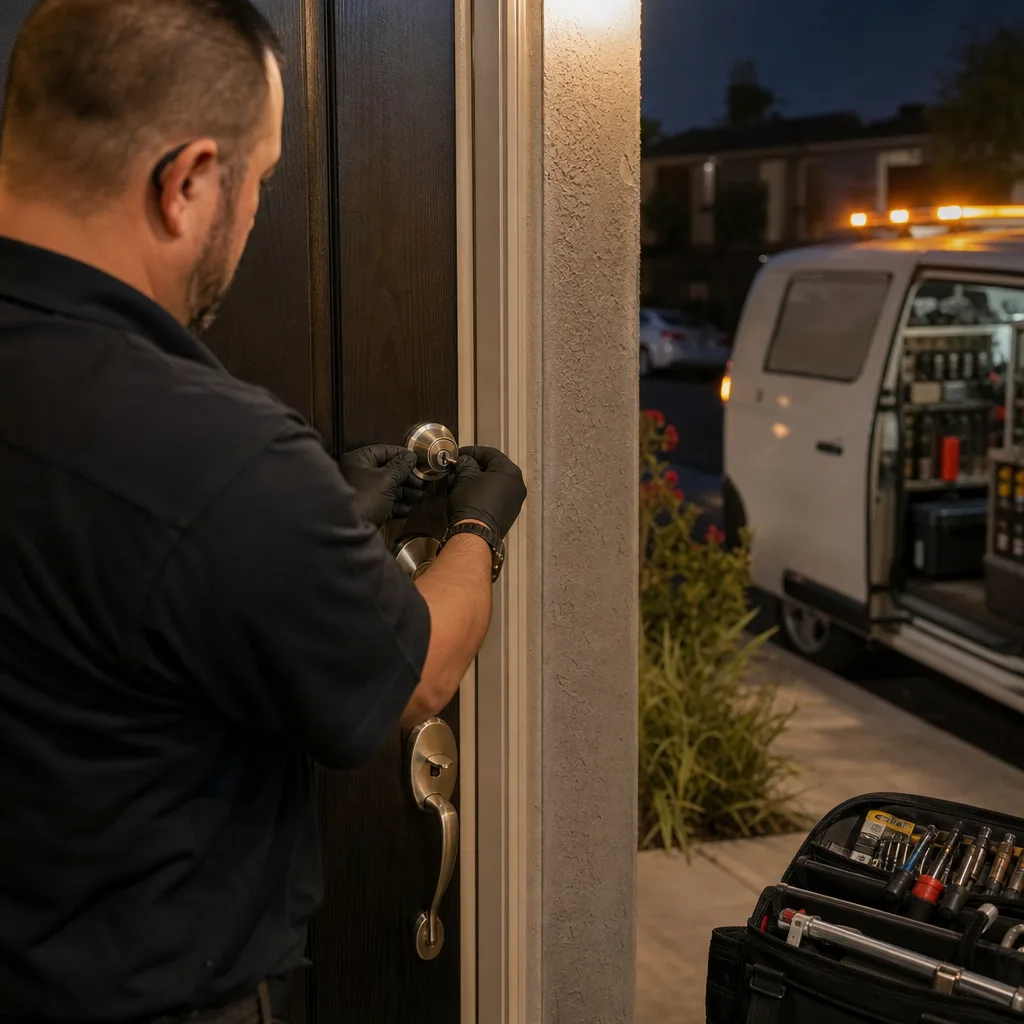
Most mechanical locksmith work in California requires no permit. The line is clear: if it has wires, it needs permits and a C-28 license. If it affects egress, it needs building department and fire marshal approval. In Long Beach, the fire marshal’s requirements for high-rise and multi-tenant buildings add a layer that generic online advice cannot address. Before you buy, renovate, or upgrade security, check the permit history. Before you hire for access control, verify the C-28 license. The cost of doing it right once is always less than the cost of doing it twice.
Written by Daniel Novak, Owner at Novak Lock & Security Long Beach, serving Long Beach since 2002.